


P · W · FIELD CO.

the field journal of
approval:
issue no:
length:
batch:
007
15 min
PART LOGBOOK, PART CONFESSION, PULLED STRAIGHT FROM THE FIELD.
WRITTEN &
DEVELOPED BY
E. — EST. 2026


The Pantanal: a first-timer’s guide to Brazil’s jaguar country
October 19, 2026
POSTMARKED WILD : FIELD DISPATCH
filed under:
POSTMARKED WILD : FIELD DISPATCH
< journal home
Most people have never heard of the Pantanal. I hadn’t really either, until one Instagram post from Chris Schmid (@schmid_chris), one of my favorite wildlife photographers, stopped me mid-scroll. His photos and journal entries from the Pantanal did the rest, and soon I was planning my first Pantanal jaguar safari.
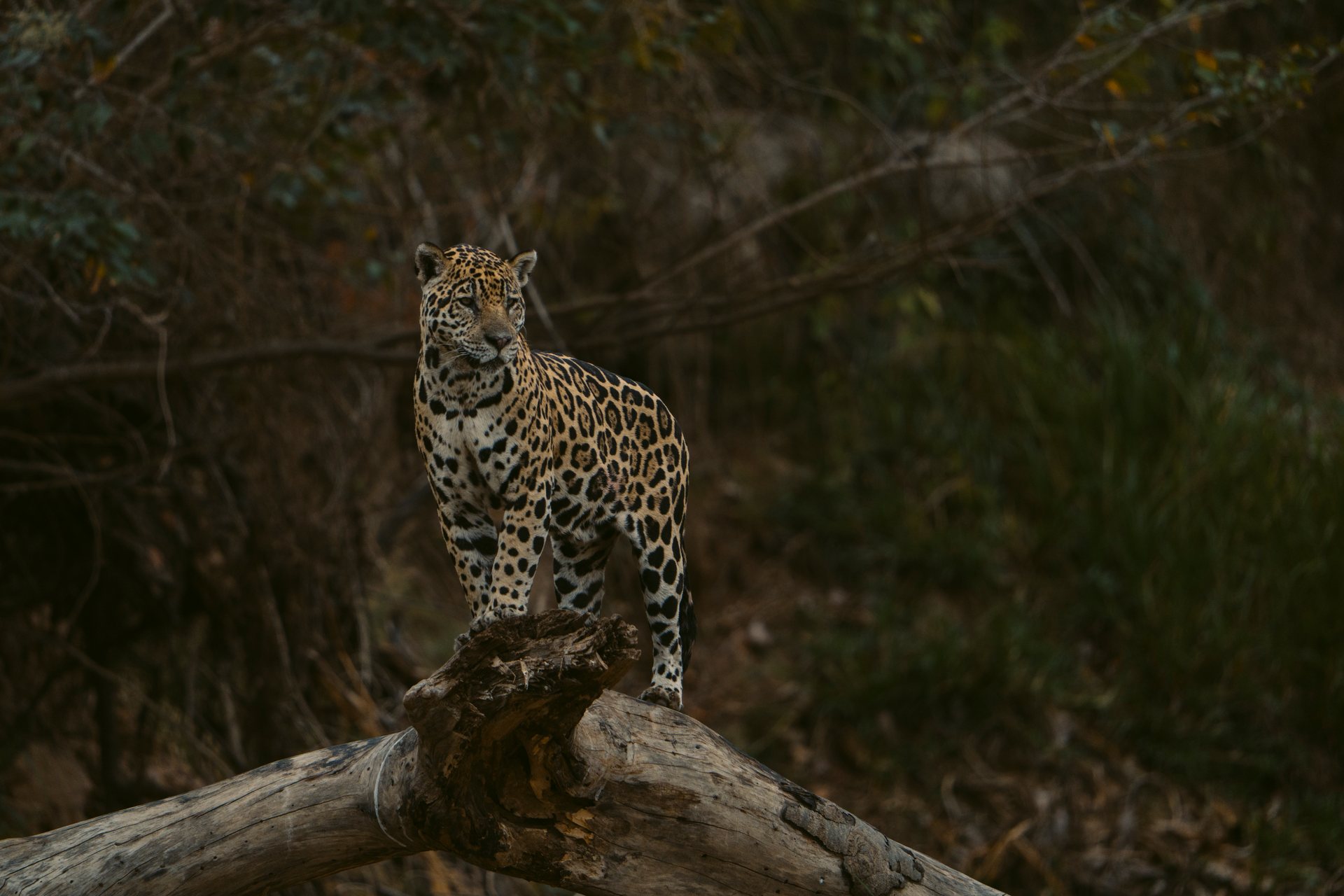
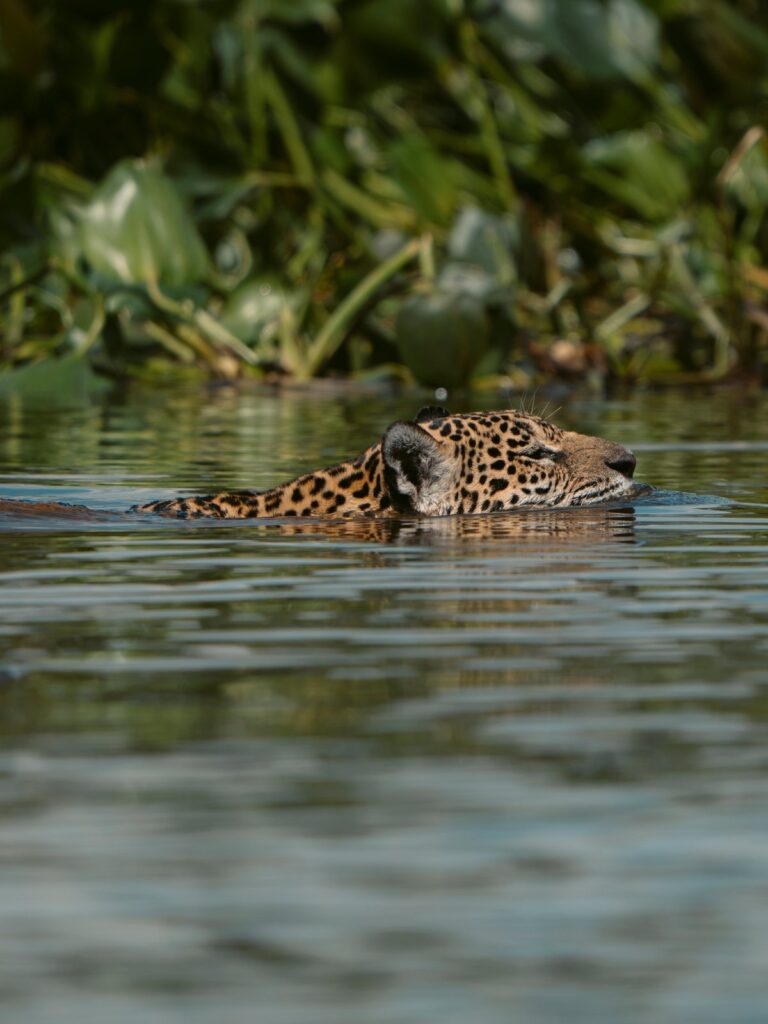
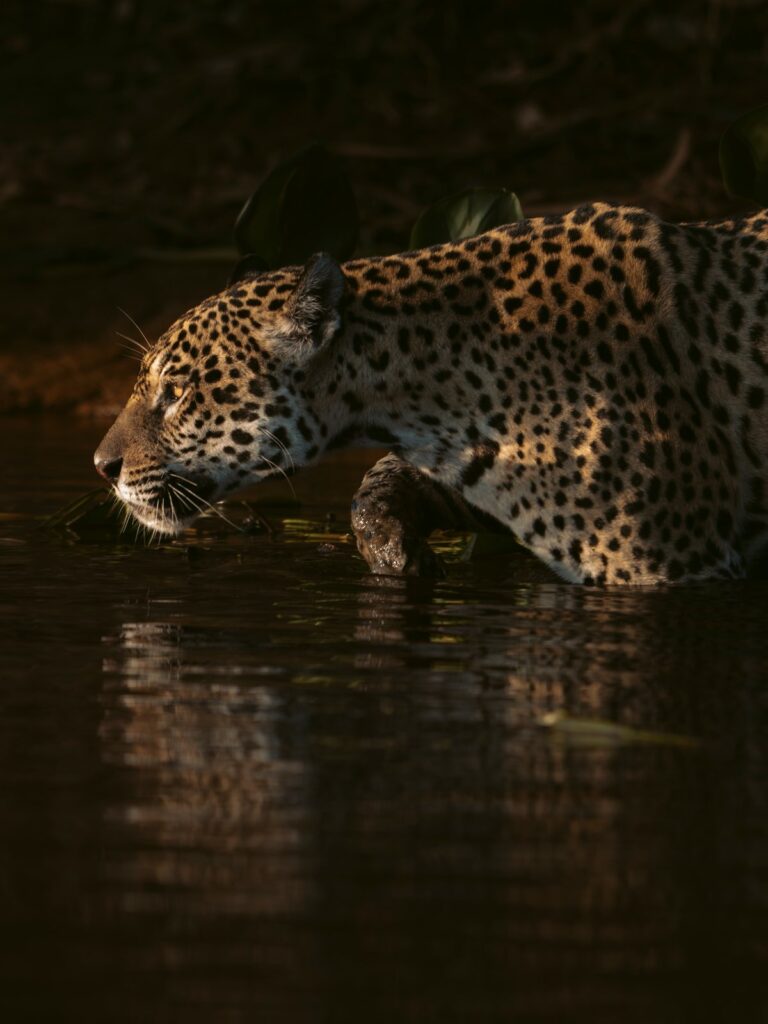
The Pantanal is the largest tropical wetland on the planet, spread across western Brazil and spilling over into Bolivia and Paraguay. It’s also the most reliable place I know of to see a wild jaguar. I don’t mean a tail disappearing into the brush at dusk. I mean watching one swim a river, climb a tree, and stalk a caiman, all before lunch.
I’ve been twice now: ten days in April 2024 on Chris Schmid’s trip, and again this September on a group trip run by Rodolfo Paz (@pracontarprosnetos) and Chris Burgard (@chrisburgrd), a wildlife and commercial photographer based in Brazil. Rodolfo is a certified Pantanal guide and a wildlife photographer himself, so he knows what photographers need on a trip like this. The two trips were set up differently, which makes them a useful way to walk through your options. This post covers why to go, how to get there, what a day looks like, how to choose a trip style, what it costs, and when to go.
Why the Pantanal
The jaguars. Sightings are never guaranteed with wild animals, but on my first trip we saw a jaguar essentially every time we went out on the boat. The density along the rivers near Porto Jofre is that high. Keep your eyes open and your odds are very good.
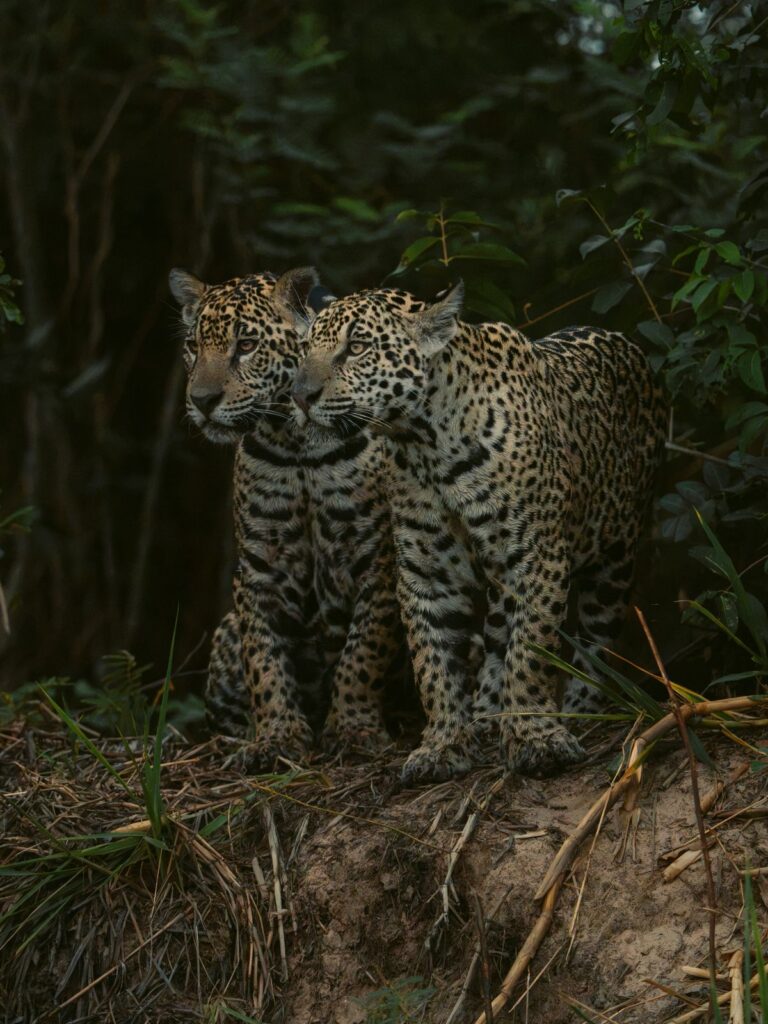
What stuck with me more was how active they are. Lions in Africa conserve energy and sleep through most of the day. Pantanal jaguars are on the move constantly: swimming across a river, running up a tree, hopping from bank to bank, hunting caiman, then flopping down under a tree. If a sibling is around, they play. They’re curious, rambunctious cats, and they are very entertaining to watch.
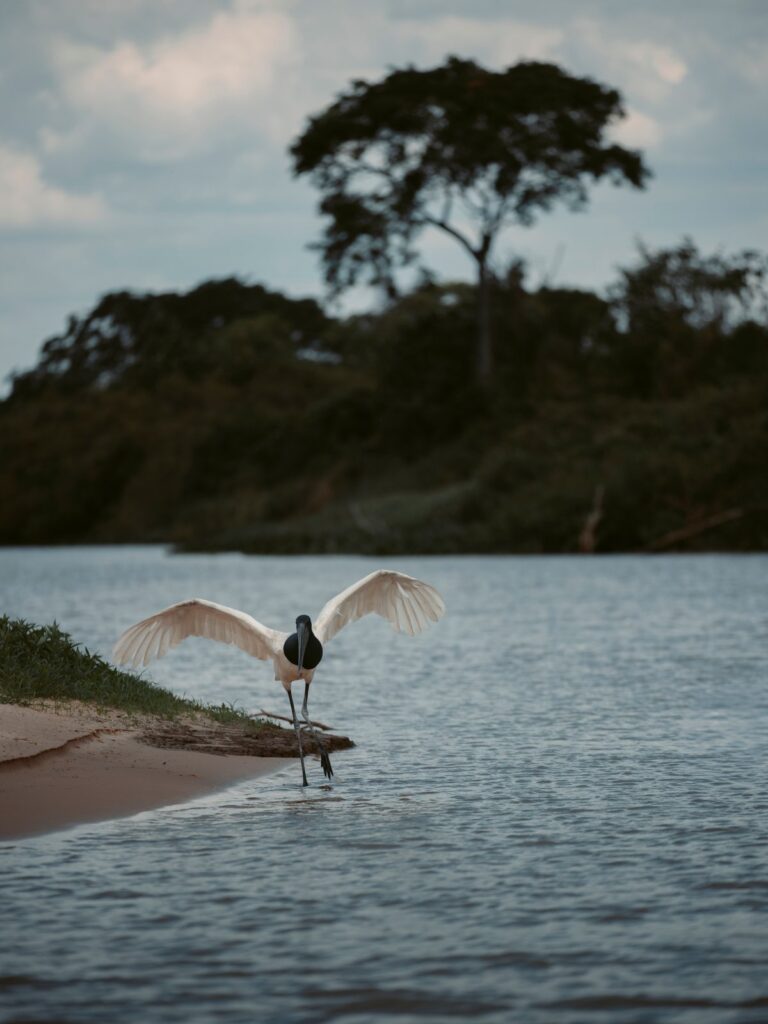
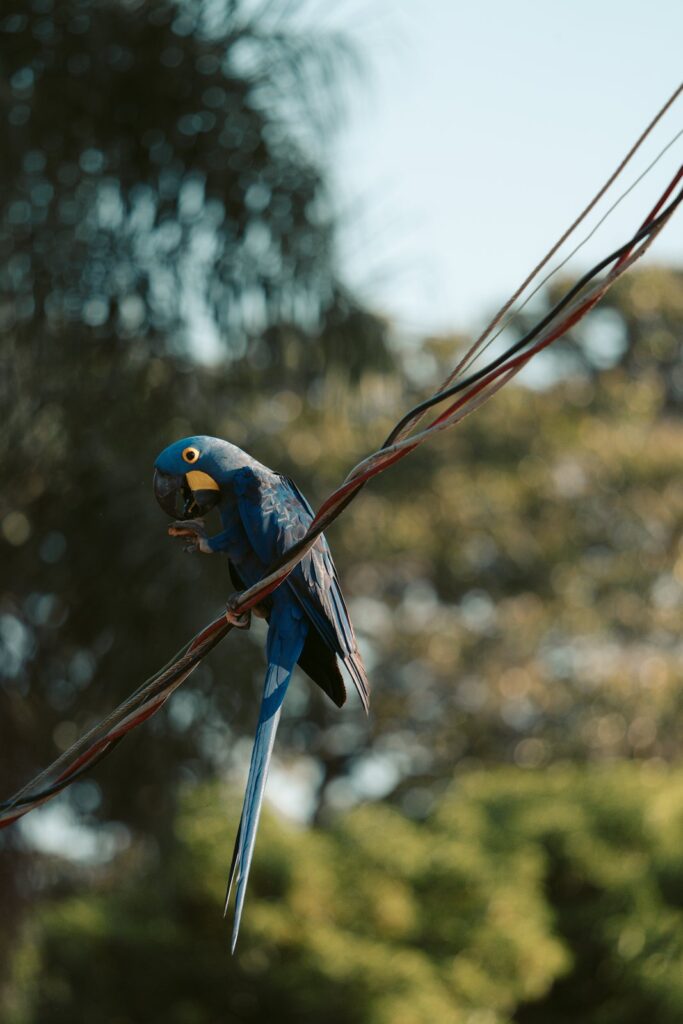
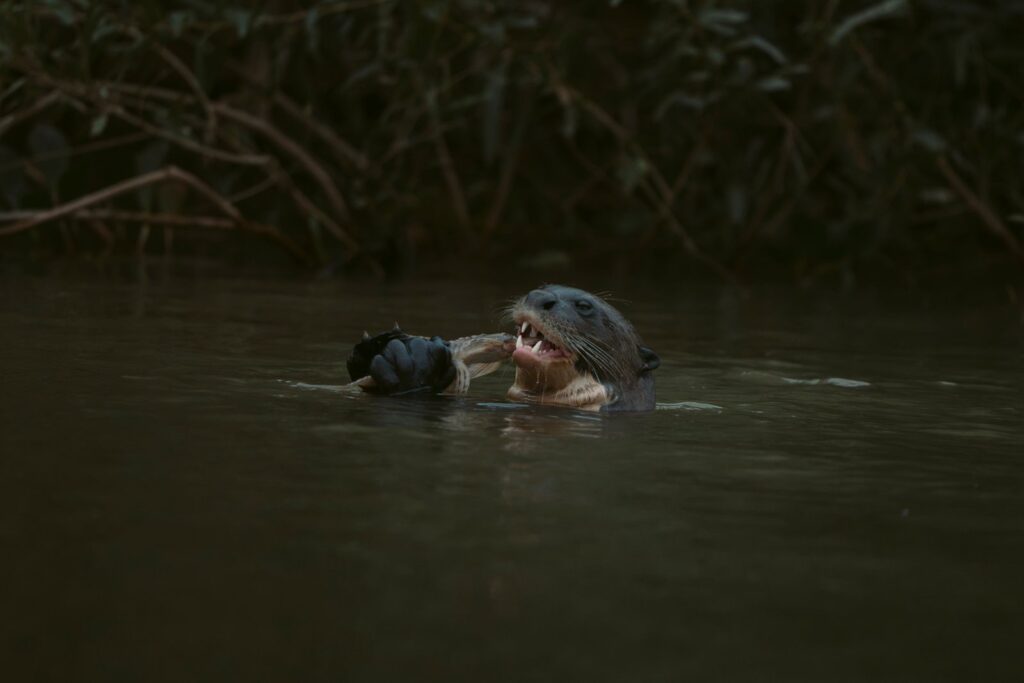
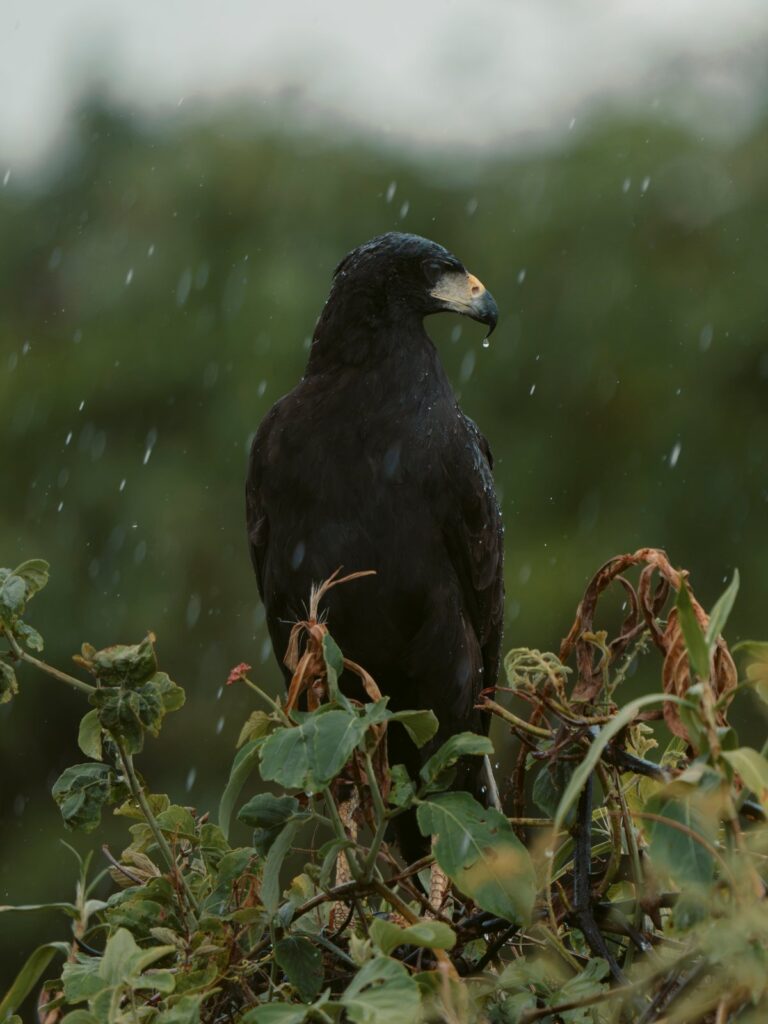
Then there’s everything else. Giant otters, caiman by the thousands, and birds. A lot of birds. The Pantanal is a major birding destination, and the birdlife was one of the best parts of both trips. If you love wildlife of any kind, this place is for you. If you love birds, even more so.
Once you’ve seen wildlife at that level, you crave it. I knew after the first trip that the Pantanal would be somewhere I’d keep going back to.
Getting there
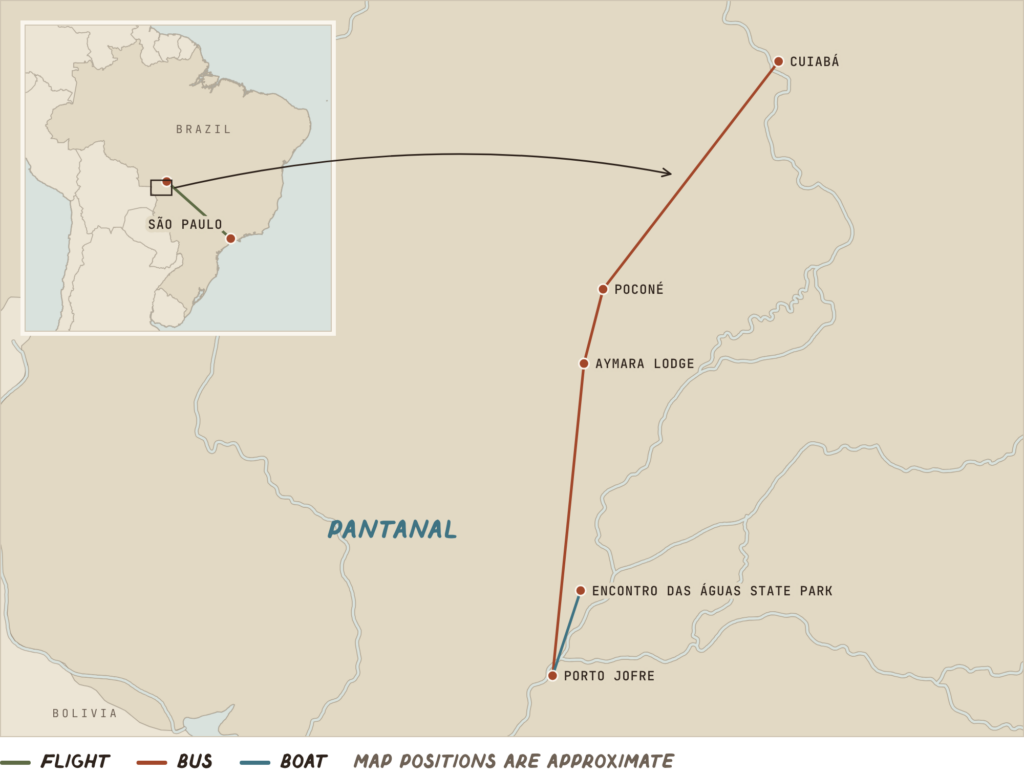
Northern Pantanal. There are no direct flights from the US. Most people connect through São Paulo or Brasília to Cuiabá (CGB), the gateway city for the north.
From Cuiabá, the Transpantaneira runs south from the town of Poconé to Porto Jofre: 147 km of dirt road with more than a hundred wooden bridges. Plan on 4 to 5 hours from Cuiabá to Porto Jofre. It’s a long drive, but it doubles as a safari. On my second trip we stopped constantly for caiman, birds, and a few deer off in the distance. Most operators include the transfer, and early in the season, when parts of the road are still wet, a 4WD vehicle matters.
Southern Pantanal. Fly into Campo Grande (CGR). The lodges are a long drive from there, or a short charter flight if the budget allows.
Visa. US citizens need an e-visa for Brazil again as of April 10, 2025. It costs $80.90, is valid for 10 years with multiple entries, and should only be booked through the official portal at brazil.vfsevisa.com. Most approvals come back within a few days, but apply two to three weeks out to be safe.
Health. Talk to a travel clinic about the yellow fever vaccine and check current CDC guidance for Mato Grosso and Mato Grosso do Sul before you go.
What a day on the water looks like
Both of my trips ran on the same rhythm. Wake up early, eat breakfast, and be on the boat at sunrise. Spend the day cruising the rivers looking for jaguars and anything else that turns up, and head back at sunset. Then do it again the next day.
The difference was the middle of the day.
On the houseboat trip, we came back around midday for about two hours of downtime: lunch, charge batteries, reload gear. Then we went back out for the afternoon until sunset.
On the Porto Jofre trip, we stayed out the entire day, sunrise to sunset, and ate lunch on the boat whenever we found a shady spot during a lull in the action.
The second trip had five full days on the water, two fewer than the first. I still saw just as much action and came home with just as many shots. It didn’t feel shorter at all. Full days on the boat make up a lot of ground.
Choosing your trip style
Lodges along the Transpantaneira
Ranch lodges (fazendas and pousadas) line the road between Poconé and Porto Jofre. On my first trip we spent two nights at Aymara Lodge on the way down. We did driving safaris for giant anteaters and birds, plus a short boat trip on a tributary with caiman and more birds.
A lodge stay covers the land wildlife you won’t see from a jaguar boat. On my second trip we skipped this step and drove straight to Porto Jofre. Both approaches work. It depends on whether you want the full Pantanal or as many days with jaguars as possible.
Houseboats
On the first trip we spent seven nights on the Panoramico, a houseboat moored on the water just outside the park boundary (Encontro das Águas State Park, where most of the jaguar viewing happens). You can’t get much closer to the action. You roll out of your cabin, and you’re already where the cats are.
Floating options vary. Some stay moored in one spot. Others, like the Naturezas Houseboat, move to follow recent sightings. Groups tend to be small and photographer-heavy. You give up some space and amenities, and if you’re traveling with someone who doesn’t want to spend all day looking at riverbanks, there isn’t much else to do.
Porto Jofre lodges
On the second trip we stayed at Pousada Dona Onça Jaguar Lodge in Porto Jofre. The owners were also our guide and boat captain. Location-wise, it was about a 30-minute boat ride farther from the park than the houseboat. In practice it didn’t matter. We were on site for good morning light, we stayed out for the evening light, and I never felt we were missing anything.
Porto Jofre is the end of the road and the classic jaguar base. Hotel Pantanal Norte (also called Hotel Porto Jofre) is the long-standing option, SouthWild’s Jaguar Suites sits at the higher end, and budget travelers can stay at guesthouses in the village and hire boat days separately. You get a fixed base with more space and amenities than a houseboat.
The southern Pantanal
I haven’t been to the southern Pantanal yet, so this one comes from research, not experience.
The south is a different kind of trip. It’s land-based, on private ranch reserves, and generally more polished. The best known is the Caiman Ecological Refuge, a 53,000-hectare ranch and home of the Onçafari project, which habituates jaguars to vehicles so they can be watched from a respectful distance. You see them from trucks rather than boats. Other lodges include Barra Mansa, Barranco Alto, and Fazenda San Francisco. It costs more, and it pairs well with Bonito (more on that below).
So which one is yours?
If jaguars are the whole reason you’re going, base yourself on a houseboat or in Porto Jofre and spend full days on the water. If you want jaguars plus the rest of the wetland, add two nights at a Transpantaneira lodge on the way in. If you want more comfort and don’t mind seeing jaguars from a vehicle, look south.
The boat question
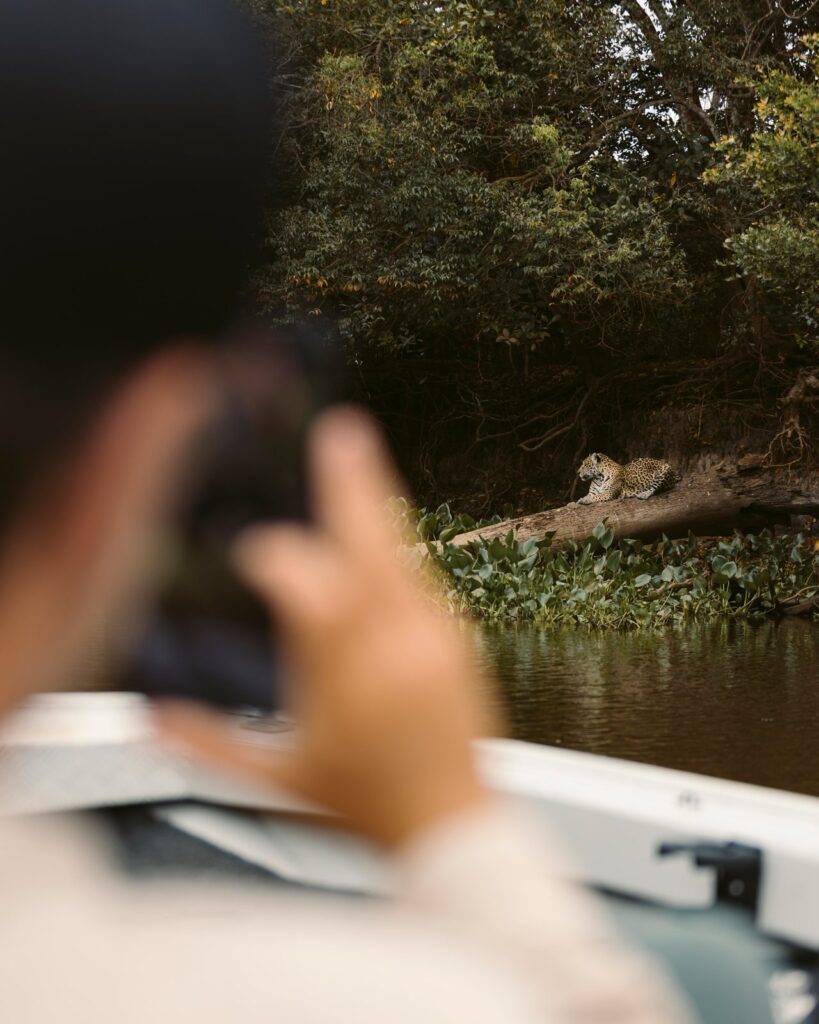
Search the Pantanal online and it won’t take long to find clips of 30, 40, or 50 boats crowded around one jaguar. That does happen. It’s mostly concentrated in one tributary, the Corixo Negro, where a female named Medrosa holds her territory. She’s one of the most famous and most photographed jaguars in the Pantanal, and she’s very habituated to boats.
None of that excuses overcrowding. We don’t fully know what it does to her success hunting caiman, whether the boat emissions affect local air quality, or whether the noise changes her behavior. Those are open questions, and they’re worth taking seriously.
A lot of it comes down to who you go with and who’s driving your boat. Pick a company that puts animal welfare ahead of the shot. Our captain on the second trip knew exactly where to place the boat for good photography, and he also knew when it was time to leave an encounter so we didn’t overwhelm or stress the animal. That’s what you’re looking for.
On that trip we also got a lecture from the Jaguar ID Project, a nonprofit that tracks jaguars in the northern Pantanal and monitors how tourism and boat traffic affect them. Much of their data comes from tourists, who send in photos so the team can identify individual cats. They’ve identified nearly 500 jaguars so far. Based on their most recent numbers, tourism looks like it’s helping. Jaguar numbers are improving, even with the boats.
Tourism, fire, and conservation
The logic is simple. Most of the Pantanal is private ranchland, and jaguars have a long history of being shot for killing cattle. A jaguar that people will travel across the world to see is worth more alive than dead, to locals especially, and worth more than clearing the land for farming or logging. The Pantanal is one of the better case studies in ecotourism I’ve seen.
Wildfires are the other pressure they’re watching. Fire seasons in recent years have burned large parts of jaguar habitat, and the project is monitoring how that affects populations.
If you want to support their work, donations go a long way. My favorite option: you can buy them a camera trap for $120 as I write this, shipping to the field included. If it catches anything good, they’ll send you the clips, and you get a digital copy of their jaguar field guide too. If your own boat trip turns up jaguar photos, you can submit those to their database as well.
We also crossed paths with researchers from the Giant Otter Project (Projeto Ariranhas) out in the field. Giant otters are endangered, and the project studies their behavior, vocal communication, and how tourism affects them. Boat traffic may be one of the pressures, and they’re tracking otter numbers to see what can be done.
What else to explore nearby
Chapada dos Guimarães. After my first trip I had an extra day in Cuiabá and spent it at Chapada dos Guimarães National Park, about an hour and a half to two hours away. In the afternoon, macaws fly around near a beautiful waterfall. There are lodges in the area with farm-to-table restaurants where you can spend the afternoon lounging. If you’re really lucky, a maned wolf might walk by. We weren’t that lucky, but we did see a ton of birds.
Cristalino and the southern Amazon. Fly from Cuiabá to Alta Floresta, then drive and boat up the Cristalino River. Canopy towers, close to 600 bird species, a shot at harpy eagles, and more giant otters. It’s the classic pairing with the northern Pantanal.
Bonito. In the south, near Campo Grande. Clear-water rivers you can snorkel alongside schools of fish, plus Buraco das Araras, a sinkhole full of nesting red-and-green macaws.
Iguaçu Falls. Not close, but a reasonable flight away and worth adding if you’re connecting through southern Brazil anyway.
What a Pantanal trip costs
Prices vary a lot depending on how you go. These are per-person ranges as of 2026, before international flights.
- Budget: about $1,800 to $2,500 for a 4-day guided trip. Going fully independent, village guesthouses in Porto Jofre run about $50 to $100 a night, with boat days hired on top.
- Mid-range: about $2,500 to $4,000 for a 4- to 6-day package with a Porto Jofre hotel and boats included.
- Floating hotels: quoted around $600 to $800 a night.
- Southern luxury: Caiman starts around $690 per person per night through travel agents.
- Small-group photo expeditions: $10,000 to $20,000 and up. Natural Habitat’s 11-day jaguar photo expedition is $18,995 for 2027, plus $3,127 in internal flights, and every 2027 departure is already full.
On top of that: international flights into São Paulo, a domestic flight to Cuiabá or Campo Grande, the e-visa, tips, and travel insurance. Photographer-led trips like the ones I took fill up early, so start looking a year or more out.
For reference, my 10-day trip with Chris in 2024 was around $9,000. This year’s trip with Rodolfo and Chris was $3,800. Expect that second number to climb, since costs in the region keep going up.
When to go, and for how long
The season runs roughly April through October. Outside that window you risk days and days of rain. December through March is the wet season, when around 80% of the Pantanal floods and most wildlife trips don’t run.
I’ve been at both ends. April is early in the season, with higher water, and we still saw jaguars on essentially every outing. September is deep in the dry season. The water drops, wildlife concentrates around what’s left, and jaguars spend more time on exposed banks. September and October are often called the best jaguar months, and they’re also the hottest, with highs in the low-to-mid 30s °C (around 90°F and up).
The trade-off late in the season is fire. The Pantanal is prone to wildfires as the dry season wears on, and fires can affect wildlife activity and the ecology of whole areas. Keep an eye on conditions if you’re booking for late September or October.
For length, plan on at least four or five full days on the water. My second trip had five, and it was plenty. Add two nights at a Transpantaneira lodge if you want the land wildlife, and a day or two for Chapada, and you’re at 8 to 10 days. Add the south or Cristalino and you’re looking at two weeks or more.
I have a separate post covering what to wear, what camera gear to bring, and what else to pack for a trip like this: my Pantanal gear guide. [Link to come.]
— · —
Sent from somewhere wild.
Leave a Reply


