


First time in the Mara: what nobody told me (and what I’d tell you)
May 22, 2026
POSTMARKED WILD : FIELD DISPATCH
filed under:
POSTMARKED WILD : FIELD DISPATCH
< journal home
Heads up: some links are affiliate links.
It’s 4am in the Masai Mara. The air is cold enough that you can see your breath. You’re wearing every layer you packed, clutching a cup of coffee that’s already going lukewarm, waiting to climb into a Land Cruiser with people you met eighteen hours ago. Your guide tells you to move quietly. You do.
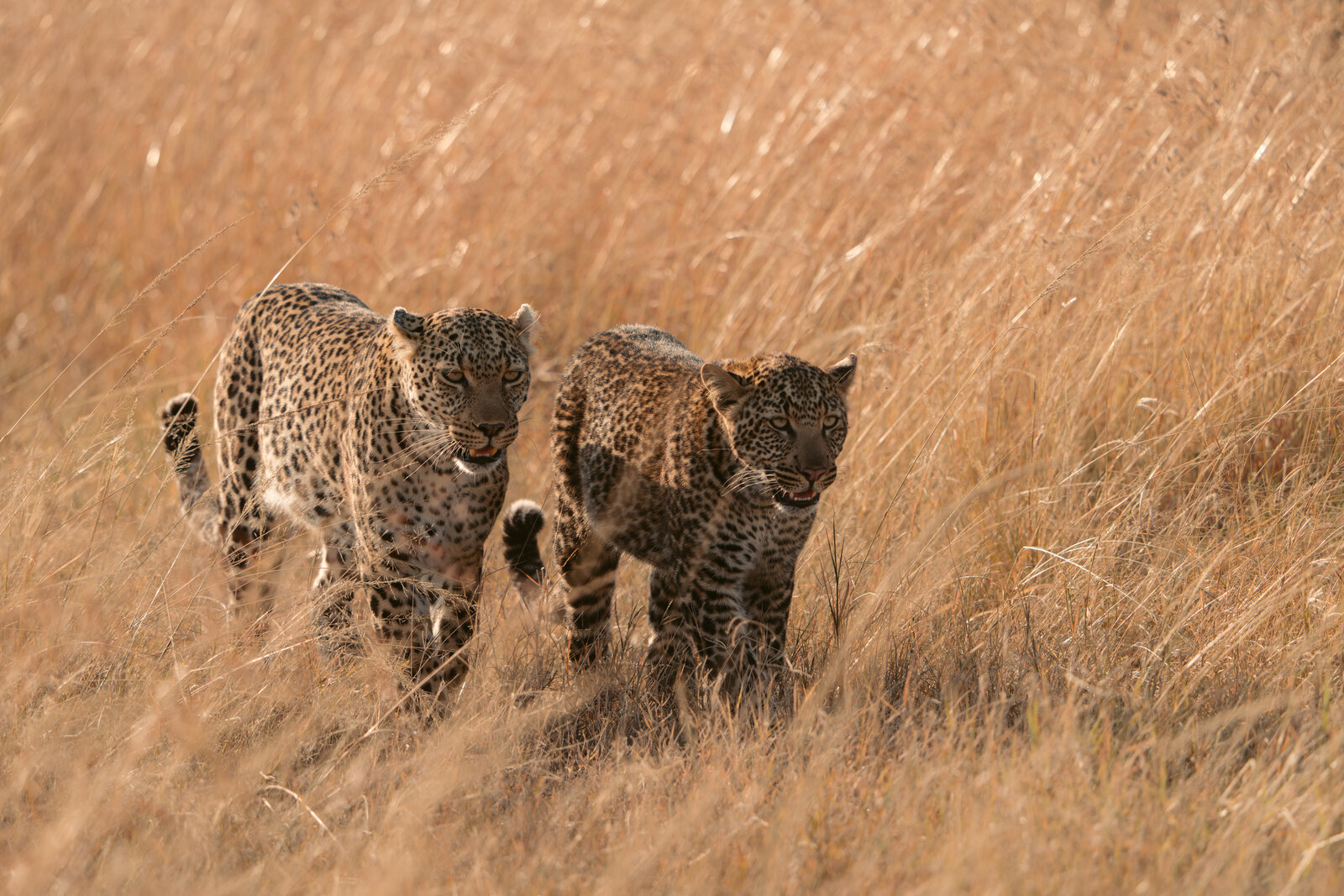
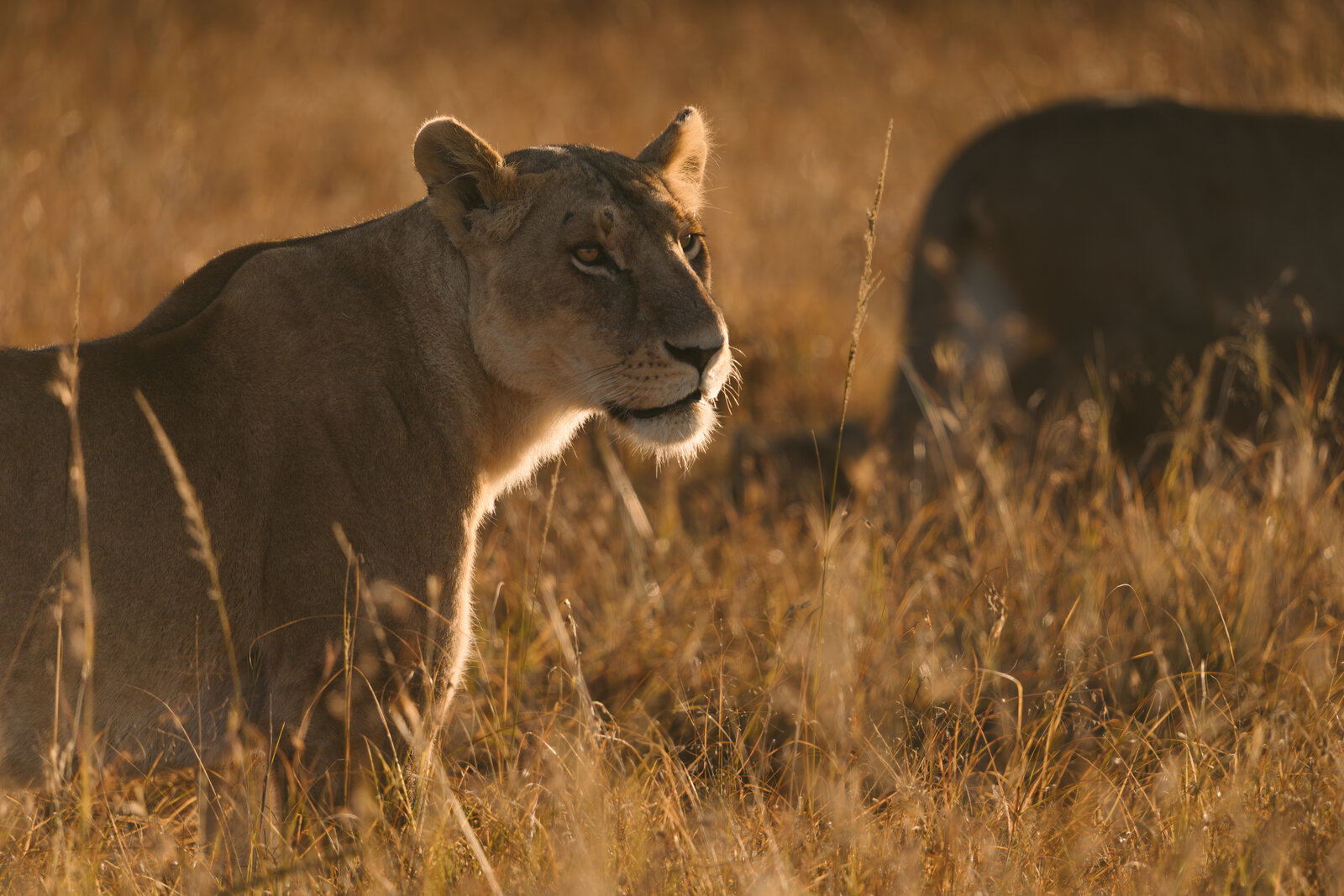
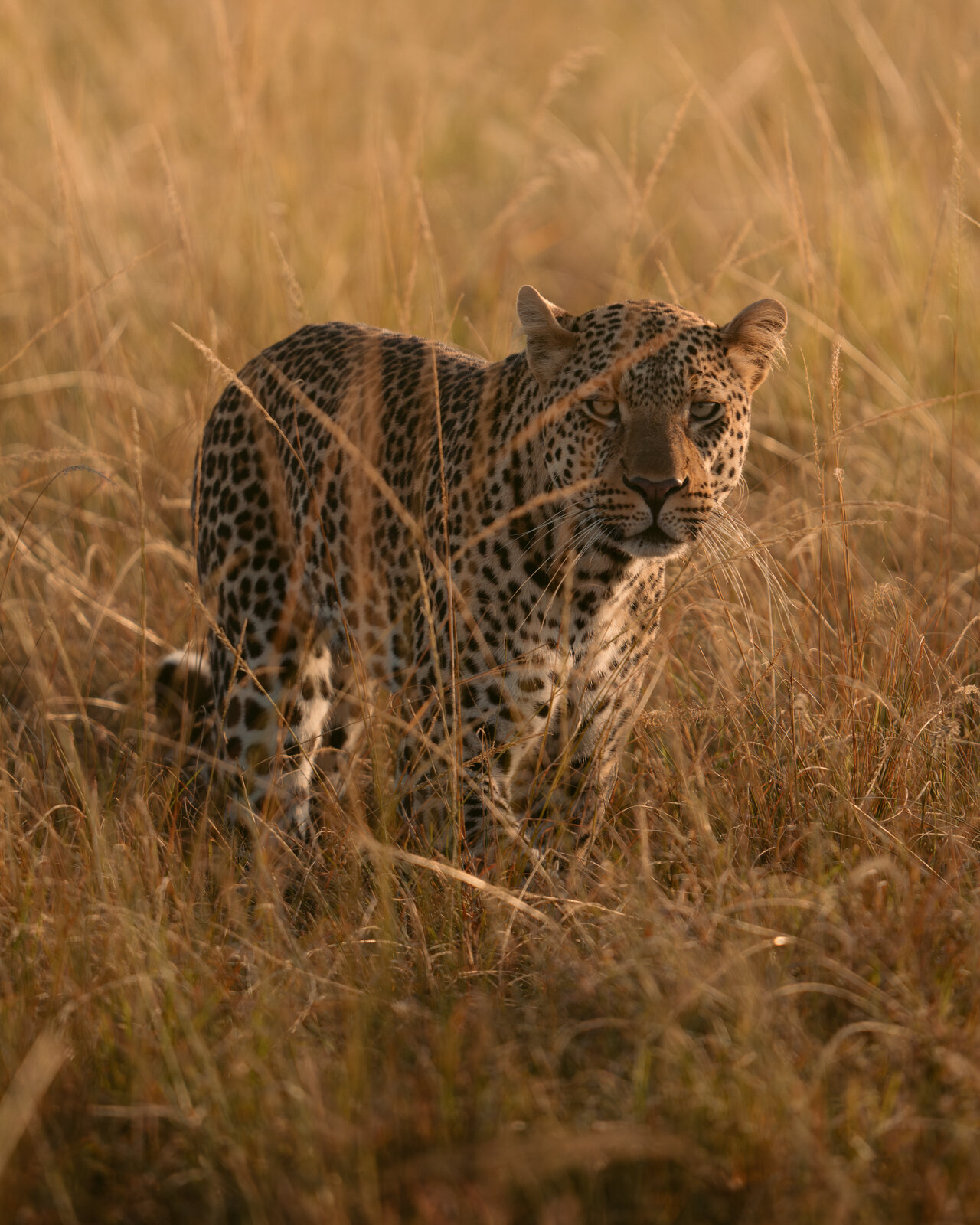
Ten minutes into the drive, before you’ve even properly woken up, a pride of lions crosses the track in front of you. Not off in the distance. Right there. Then, on the way back, your guide slows to a stop and points up. A leopard, alone in a tree, watching you watch it.
I got the Big 5 on my first full day. I am not being casual when I say the photo opportunities alone justified the flight.
I went in with hype — and the Mara still managed to exceed it.
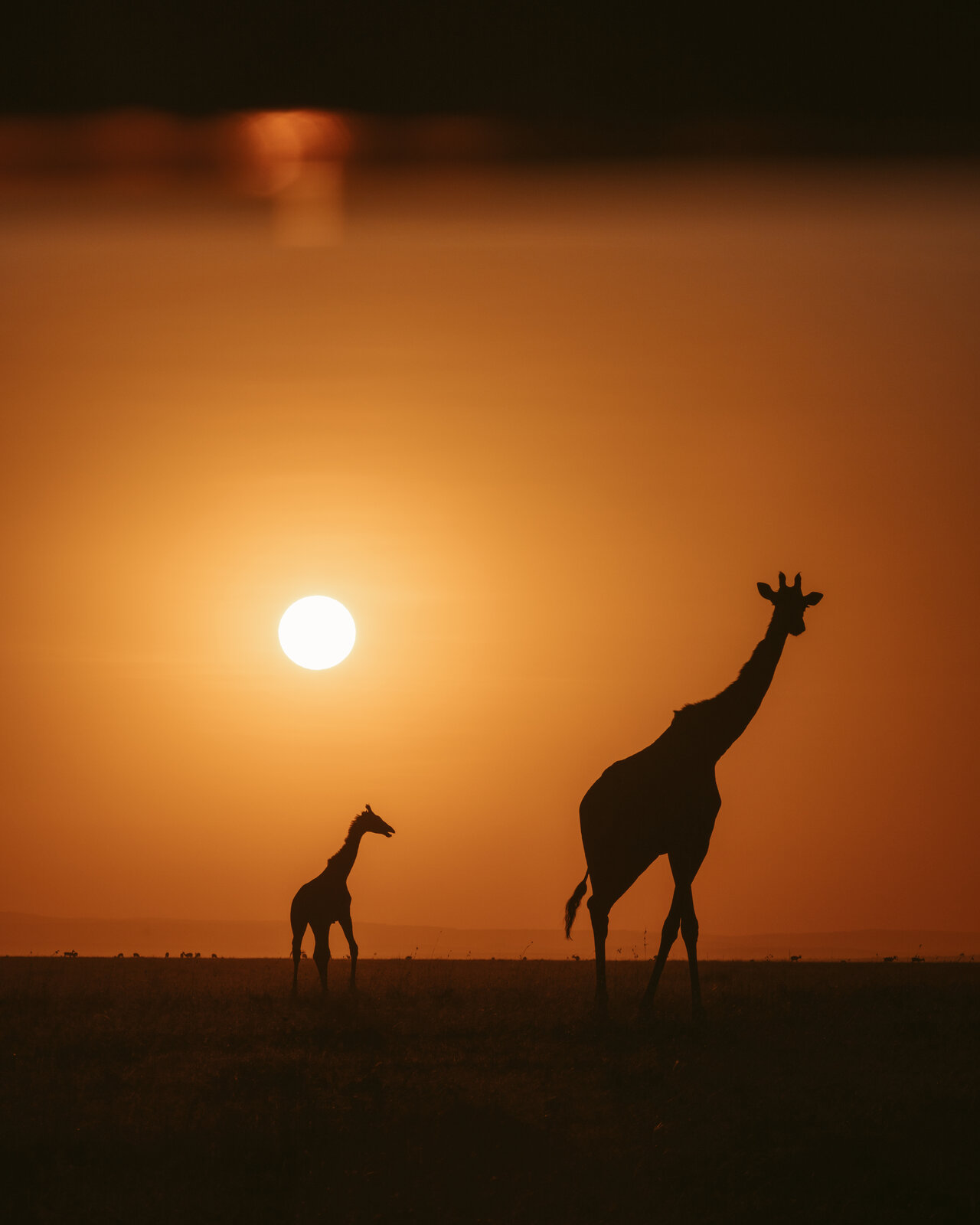
What I expected vs. what I actually found
My only prior point of reference was Namibia. Arid landscape, vast distances, the kind of place where you could spend two or three hours tracking a single elephant through the bush. Beautiful, but remote in a way that makes the silence feel like part of the experience.
The Mara is not that.
Kenya is richer — more animals, more density, more action. Your guide isn’t hoping to find something; they know roughly where things are. Watching them read the landscape in real time — a disturbance in the grass, a cluster of birds behaving strangely, a trail only they could see — was an education in itself. I would have driven past most of it.
The flip side is crowds. At a major sighting you can easily have 20 or 30 vehicles circling the same spot. If you’ve spent time in quieter parts of Africa, this will knock you sideways the first time you see it. There are things you can do to manage it — going earlier than other vehicles, choosing a camp that’s more deliberate about how it handles sightings, or looking at a conservancy on the reserve’s border (more on that below) — but it’s part of the deal and worth going in knowing that.
The great migration is spectacular, and it is not always controlled. It can get chaotic. The camps and guides do their best, and over time you learn to read a sighting before you arrive — whether it’s already crowded, whether it’s worth waiting, whether there’s a better angle. But on day one, you won’t have that skill yet. That’s fine.
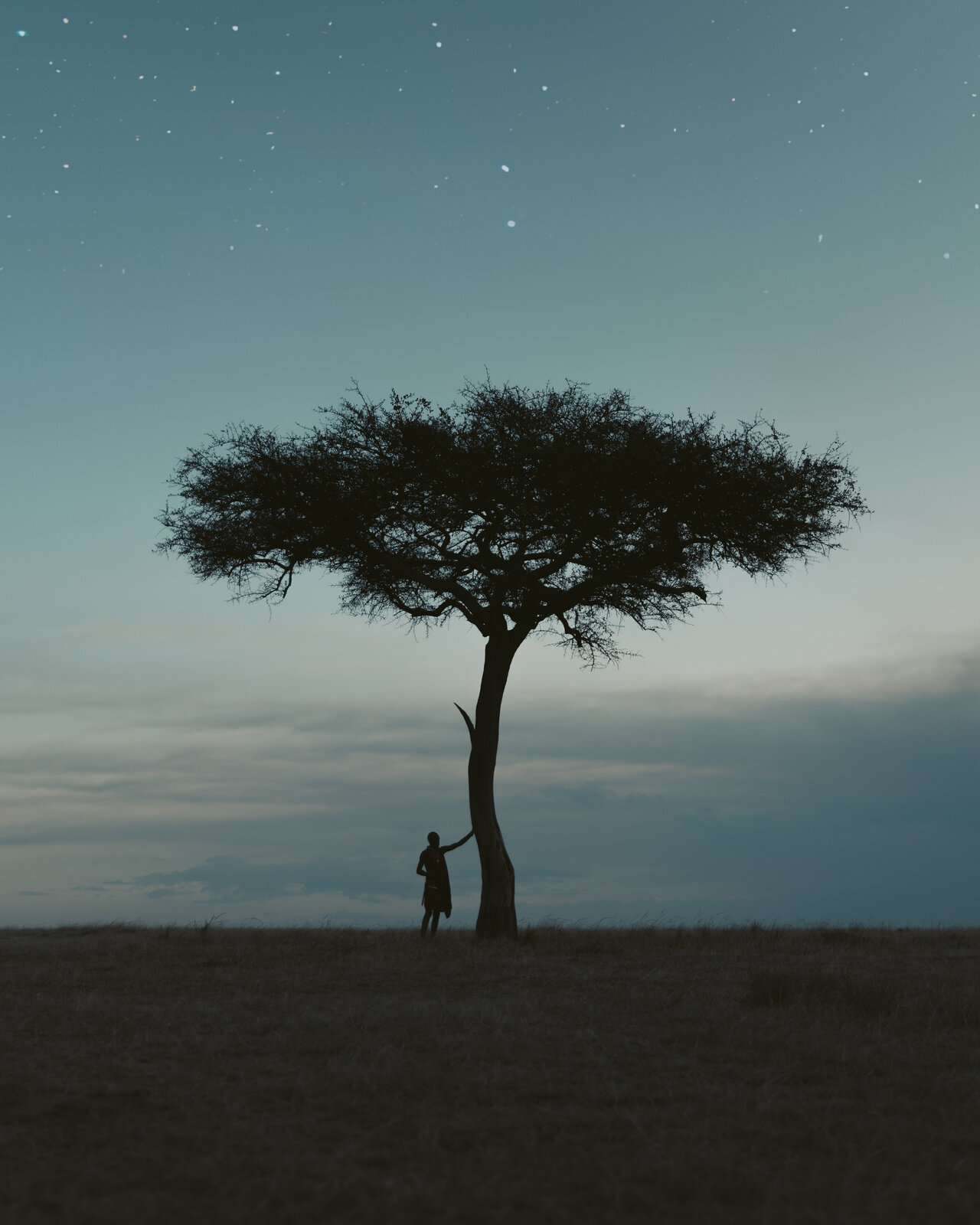
How a safari day actually works
Morning
The alarm goes off between 4 and 5am depending on the time of year. Pack cold — layers, a hat, gloves if you have them. Grab your camera gear and something caffeinated, because you’re heading out before the sun. I’ve put together a curated list of everything I wore on the drives right here if you want somewhere to start.
Expect to be in the vehicle for three to four hours. That is not a typo. The Mara is vast and game drives are not sightseeing bus loops — your guide is reading the land, tracking movement, making decisions in real time. You cover a lot of ground.
Stops happen: for bathroom breaks, to stretch, to have a snack. How often depends entirely on your group. If you’re with a wildlife photographer who has a potential sighting in their sights, you may be parked in the same spot for an hour without moving. If it’s a more casual group, your guide will check in and break things up. Either way, wear comfortable layers you can add or remove, and don’t hold a full bladder heroically — just ask.
When you come back, breakfast is waiting. Most lodges serve it out in the bush, and do not let anyone tell you that camping food has to be basic. We’re talking granola, yogurt, hard-boiled eggs, fresh fruit, toast, the works — laid out on a folding table in the middle of the savanna while something moves in the grass two hundred metres away. It’s absurd in the best way.
Midday
This is downtime, and it is earned. The heat picks up, the animals rest, and your body will tell you it needs the same. I spent most midday breaks doing one of three things: napping, charging camera batteries, or sitting with my laptop editing the morning’s photos. That’s it. Nothing structured, nothing that required leaving the lodge. And honestly? It was the right call every time. You need the recovery to show up fully for the afternoon drive, and the photos need editing before the next batch arrives.
Afternoon and evening
The second drive usually starts mid to late afternoon and runs until dusk. This is where things shift.
The energy in the evening is different. The predators start waking from their midday sleep. The light turns gold, then red, then gone. Animals that have been still all day start moving again — and this is when you see the action. Hunts. Interactions between herds. Predators on the move at last light. What you missed in the morning, the evening might give you, and vice versa.
Plan your next day on the drive back. Then sleep. Then do it again.
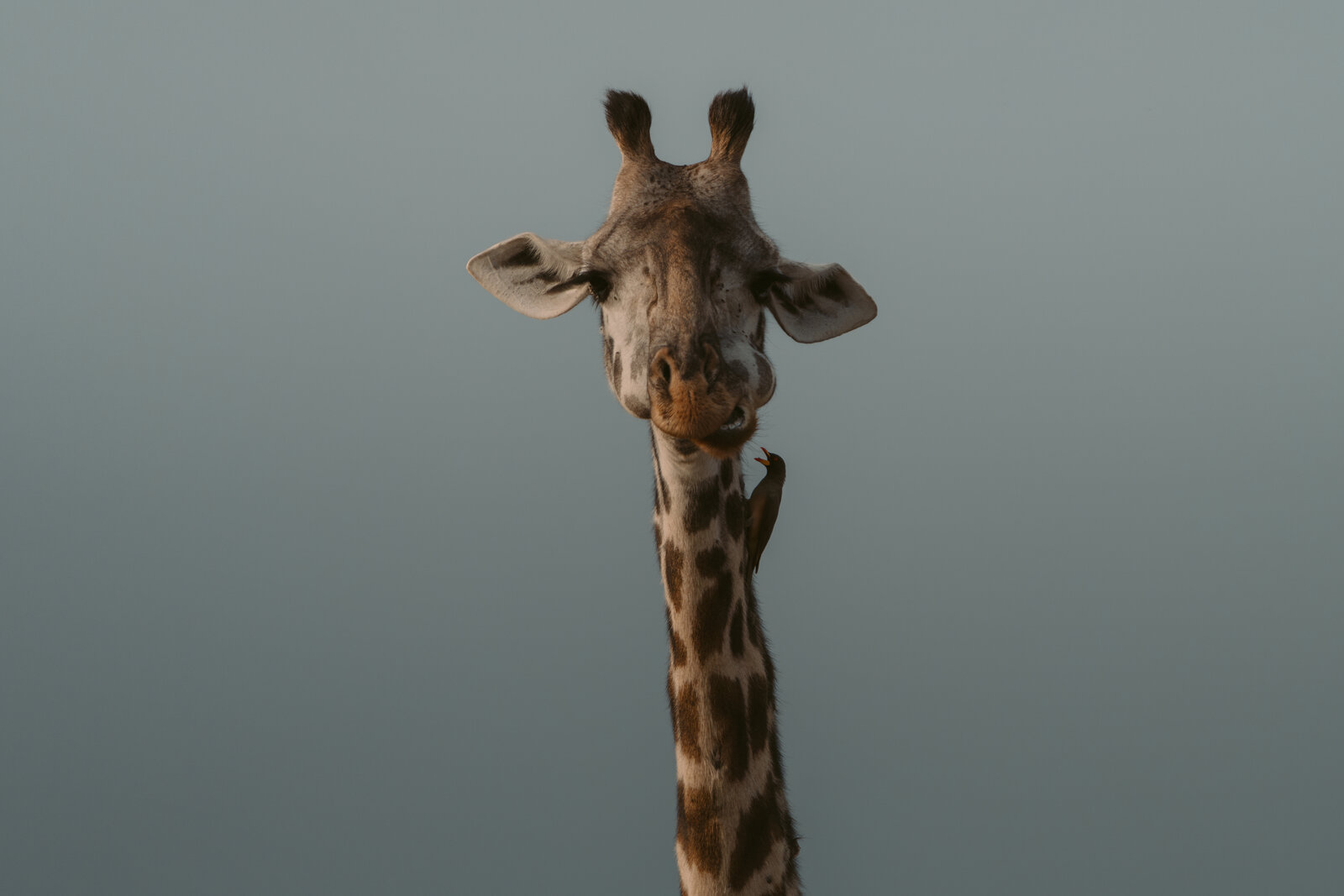
What genuinely surprised me
The camps. I split my trip between two — Olimba Mara Camp and Mara Olapa Camp — and they were both exceptional in different ways. Olimba Mara is eco-friendly in a way that goes beyond the brochure claim, heavily invested in education and community development in the surrounding area. There’s a real philosophy behind how it operates, not just a plaque by the reception desk. Mara Olapa was a different kind of exceptional — the kind of place where the setting does the talking. Between the two, I got a fuller picture of what the Mara can offer, and I’d recommend either without hesitation.
The guides surprised me more than anything else. Both camps put exceptional people in the driver’s seat — across the trip we were in the hands of Robert Kiambati and the team at Aquila Safaris, and not just guides who know where the lions sleep. The depth of knowledge they carry — animal behaviour, terrain, tracking, the history of specific families of animals they’ve watched for years — routinely made it feel like a private masterclass. They handed us binoculars with 300 metres of magnification, and watching a guide use them to read something on the horizon that I couldn’t even see with the naked eye was one of the more humbling experiences of the trip.
The thing that caught me most off guard, though, was tourist behaviour from other vehicles. Guests yelling at animals to get a reaction. People ignoring safe distances, leaning dangerously far out of vehicles. Guides from other camps cutting across sightings, positioning between you and the animal. It’s more common than you’d expect and it’s genuinely disruptive — to the animals and to everyone around them. Both Olimba Mara and Mara Olapa were clear about expectations from arrival: how to behave in the vehicle, how to conduct yourself at a sighting, why it matters. Not every camp does that. Before you book, ask how yours handles it — the answer will tell you a lot about the rest of the experience.
What it actually costs
This is the question I wish someone had answered plainly before I went.
Park entry fees for non-residents are $100 per adult per day from January through June, and $200 per adult per day from July through December. That’s just the gate fee — your vehicle, guide, accommodation, and meals are on top.
All in, budget travellers who research carefully can put together a week in the Mara for around $3,000–4,000. At the higher end — private camps, exclusive conservancy access, premium guiding — you’re looking at well over $10,000. My trip fell closer to the middle of that range, and I’d spend it again without hesitation. What you’re really paying for is the quality of the guide and the camp’s approach to conservation and crowd management. The more remote and conservation-focused the property, the more you tend to pay — and in my experience, that equation holds up.
Is the Mara right for you?
If you want maximum wildlife density on a first safari, yes. Few places deliver like this.
If you want fewer vehicles around every sighting, look at the conservancies that border the main reserve — Mara North and Naboisho are the ones I’ve heard most consistently recommended. I haven’t been to either myself, but both are on my list for a return trip for exactly this reason: visitor numbers are capped, so you get more space around sightings and a quieter experience overall. Worth researching if the crowd element concerns you.
In terms of trip length: don’t do fewer than four nights. Three nights feels like just enough to get into the rhythm, then it ends. Five or six gives you the repetition where the place starts to feel familiar — where you notice things you didn’t on day one.
The Mara is not subtle. It is not going to ease you in. It is going to show you a leopard in a tree at 4:30am on your first morning, and you are going to be completely unprepared for how that feels. Which is, I think, exactly the point.
One thing I’ll keep
Late in the trip, we came across a leopard in a tree and just sat with it for a while — engine off, no one talking. At some point our guide Robert Kiambati spoke up and told us something from his tribe.
The leopard, he said, will always guide you home. If you come across one in the wild, you don’t need to be afraid. Even in the darkest night, a leopard will lead you back.
I’ve thought about that a lot since I got home. Because coming back to places like the Mara — and I will come back — does feel a little like that. Like somewhere I already know how to find. Like somewhere I’m meant to be.
First time planning a trip to the Mara? Drop your questions in the comments — I’ll answer from the perspective of someone who was exactly where you are not long ago.
Heads up: some links in this post are affiliate links. I make a small cut if you buy — no extra cost to you, and I never link anything I wouldn’t use in the field.
Leave a Reply


