


P · W · FIELD CO.

the field journal of
approval:
issue no:
length:
batch:
007
15 min
PART LOGBOOK, PART CONFESSION, PULLED STRAIGHT FROM THE FIELD.
WRITTEN &
DEVELOPED BY
E. — EST. 2026


Costa Rica trip breakdown
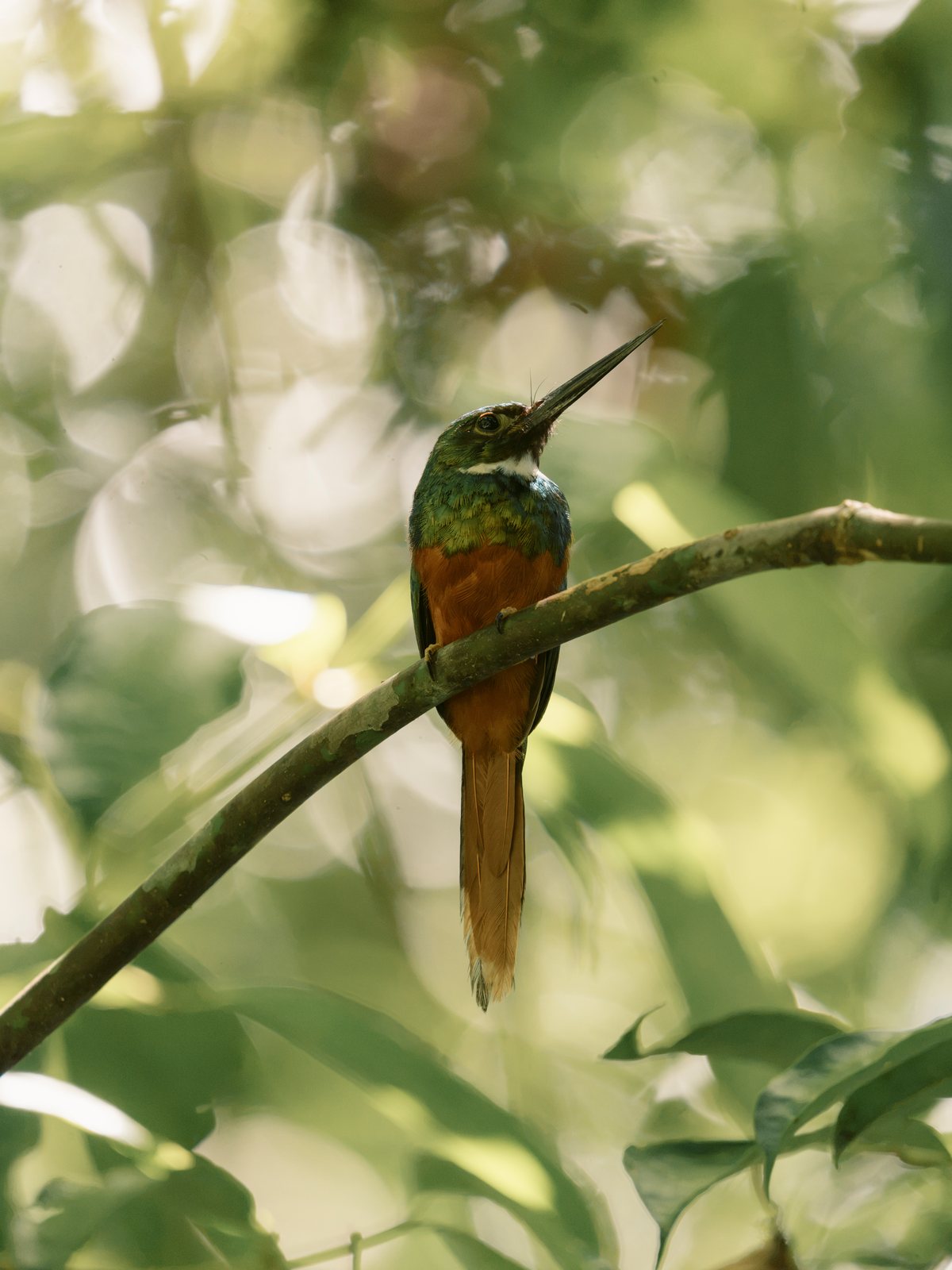
October 18, 2026
POSTMARKED WILD : FIELD DISPATCH
filed under:
POSTMARKED WILD : FIELD DISPATCH
< journal home
Postmarked Wild · Costa Rica itinerary · June 2026
My Costa Rica itinerary: 18 nights · 10 stays · Caribbean to Pacific · rental car + boat transfers
Jump to: The plan · Night 1: San José · Nights 2–5: Tortuguero · Nights 6–7: Sarapiquí · Nights 8–9: La Fortuna · Night 10: Tárcoles · Nights 11–12: Uvita and Manuel Antonio · Nights 13–18: Corcovado and home · Before you plan
A lot of you have asked for Costa Rica recommendations: where I stayed, what I did, and where I’d send you. Here’s the full breakdown of our 18-night Costa Rica itinerary.
Planning our Costa Rica itinerary
One note up front: I’m not a Costa Rica expert. This was my first trip, and I did the research myself with suggestions from friends. If you want seasoned, in-depth advice, I’m not your person. What I can give you is my thought process, why we ended up where we did, and the contacts I’d book again.
For frame of reference, our focus was wildlife, with some landscapes mixed in. I had no interest in zip lines, ATVs, or adventure parks. I wanted time in the field with naturalist guides, seeing animals in their own habitat rather than in a wildlife park, and a feel for the culture along the way.
We went in June, the start of Costa Rica’s green (rainy) season. That matters for a few things below: turtle timing, cloud cover, and crowds.
Our Costa Rica itinerary at a glance
| Stop | Nights | Where we stayed |
|---|---|---|
| San José | 1 | Hyatt Centric San José Escazú |
| Tortuguero | 4 | Casa Jaguar (Airbnb) |
| Sarapiquí | 2 | Trogon’s Birding Lodge |
| La Fortuna | 2 | Lost Iguana Resort & Spa |
| Tárcoles | 1 | Santa Lucía Jungle Hacienda |
| Uvita | 2 | Cabin Airbnb |
| Corcovado: Sirena Station | 2 | Ranger station bunks |
| Corcovado: outside the park | 2 | Corcovado Wilderness Lodge |
| Uvita | 1 | Oxygen Jungle Villas |
| San José | 1 | Studio Boutique Hotel |
| Total | 18 |
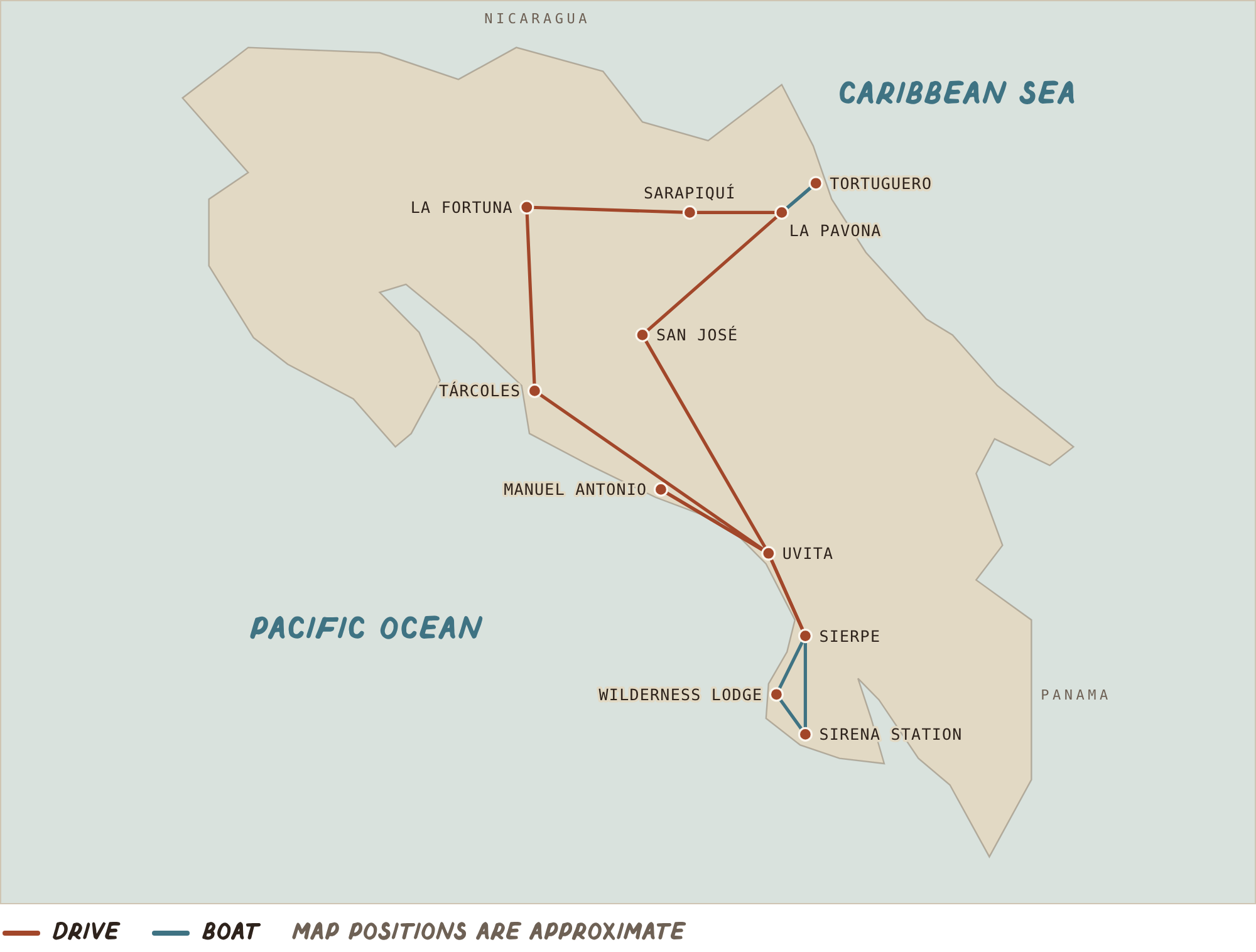
Getting there
We flew into San José. The two common airports are San José (SJO), in the center of the country, and Liberia (LIR), closer to the northern Pacific side. Pick whichever sits closer to where you’re spending most of your time.
Rental cars
We picked up our rental car in San José. Plenty of blogs cover the full list of do’s and don’ts, so I’ll stick to the two things that mattered most for us.
- Budget for insurance. Most companies require you to buy their insurance, which often adds $200 to $300 per week on top of the rental. It was one of our biggest expenses.
- Be wary of the cheapest rates. On Expedia and similar sites, a handful of companies list rates far below everyone else. From the reviews I read, hidden fees for mileage, insurance, and extras bring the final price up to about what the transparent companies charge. Look closely before you book.
Driving
We road-tripped the whole country. If you’re comfortable with winding mountain roads, it’s very drivable, and I never felt unsafe. Use your own judgment on what you’re comfortable with.
The cities were the stressful part. There aren’t many traffic signals, so for something like a left turn you go and hope oncoming traffic stops. Once you’re in the countryside, driving is easy. Anyone who can drive at home will be fine.
Domestic flights
I didn’t try them, but domestic flights are common and fairly cheap. If you want to hit several corners of the country in one trip without losing a day or two to driving, they’re worth researching. We wanted the freedom to get up and go at a moment’s notice, so a car was the better fit for us.
Night 1: San José
Central Valley · SJO airport → Escazú
Nights: 1 · Why: arrival night before the drive to the Caribbean
We spent our first night at the Hyatt Centric San José Escazú. The one downside: it was about a 20-minute drive from the rental car pickup area. If you’re picking up a car first thing, look for a hotel closer to your rental company.
Nights 2–5: Tortuguero
Caribbean coast · San José → La Pavona by car → Tortuguero by boat
Drive: ~4 hr · Distance: 130 km · Nights / full days: 4 / 3
I wanted a taste of both the Caribbean and Pacific sides, and Tortuguero National Park on the Caribbean side came highly recommended, so that’s where we started.
Getting there
There are no roads into Tortuguero. You get there by boat or small plane. We drove from San José to La Pavona, parked, and took a boat the rest of the way.
The drive was about 130 km and took us about 4 hours. We hit a handful of road closures along the way and sat for anywhere from 10 to 30 minutes at each.
We booked our boat transfer and parking a few months ahead through Transportes T7 Tortuguero. You make the reservation online, and they follow up on WhatsApp with departure times. They drop you off and pick you up at the right spot for wherever you’re staying, then bring you back to La Pavona when you leave.
- Parking starts at $10 for the day and $20 overnight, with 24/7 surveillance.
- Transfers to hotels and lodges run $5 to $20 depending on where you’re staying.
- They take colones, dollars, and cards.
- Departure times are on their site.
Where we stayed
We stayed at Casa Jaguar, an Airbnb a friend recommended. It sits right on the border between town and the national park, about 40 meters from the park entrance. Locals told us a resident jaguar sometimes passes by at night on its way into town, then heads back into the jungle in the morning. We weren’t lucky enough to see it.
Casa Jaguar sleeps 5. If it’s booked, the same host has two neighboring units, Cabaña Jaguar and Estudio Jaguar.
If you’d rather not sort out food and logistics, there are plenty of all-inclusive lodges along the Tortuguero River and canals.
What we ate
Staying in town meant we walked in for breakfast and dinner every day, and we ate the same two meals almost the whole time.
- Breakfast: gallo pinto, the classic Costa Rican rice and beans, with scrambled or fried eggs.
- Dinner: Caribbean-style “rice and beans,” with the rice cooked in coconut milk, usually served with roasted chicken.
Find any authentic Caribbean-style spot in town and you’ll get some of the best rice and beans around.
What we did
We spent two days on the water with Costa Rica Roots Tours, exploring the park’s rivers and canals. You don’t walk much on those days, but you see a lot: tons of bird species, caiman, sloths, and, if you’re very lucky, a jaguar.
Roots Tours offers single tours and multi-day packages. Options include canoeing the canals, hiking Cerro Tortuguero (Tortuguero Hill), and motorized boat trips farther out.
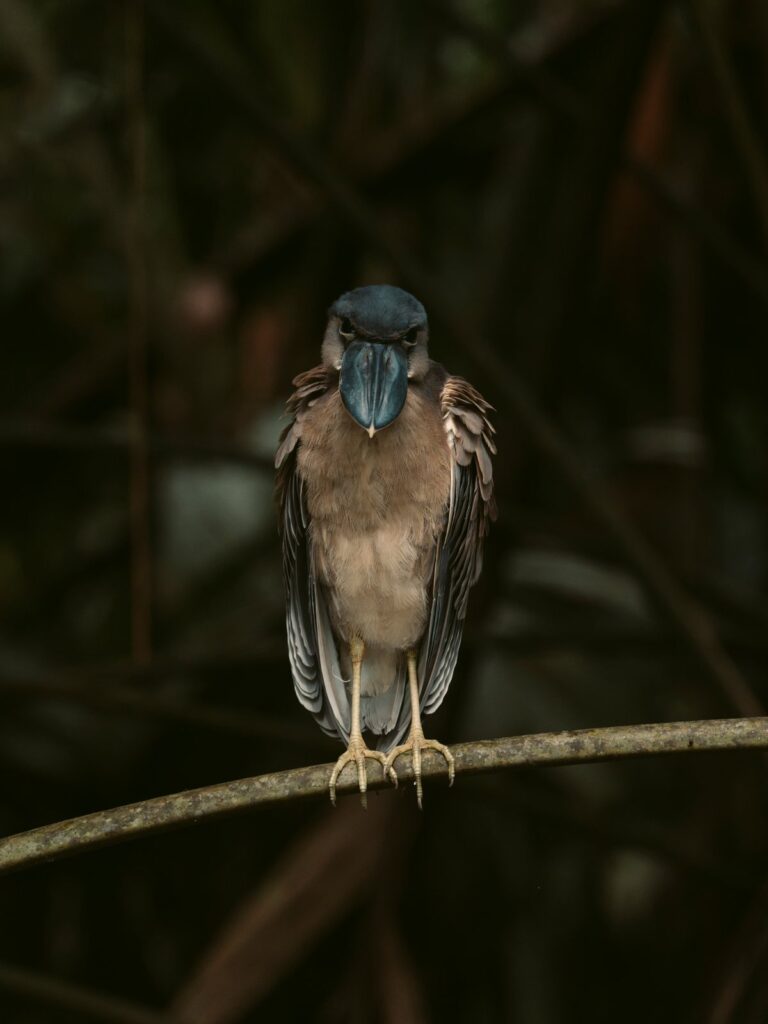
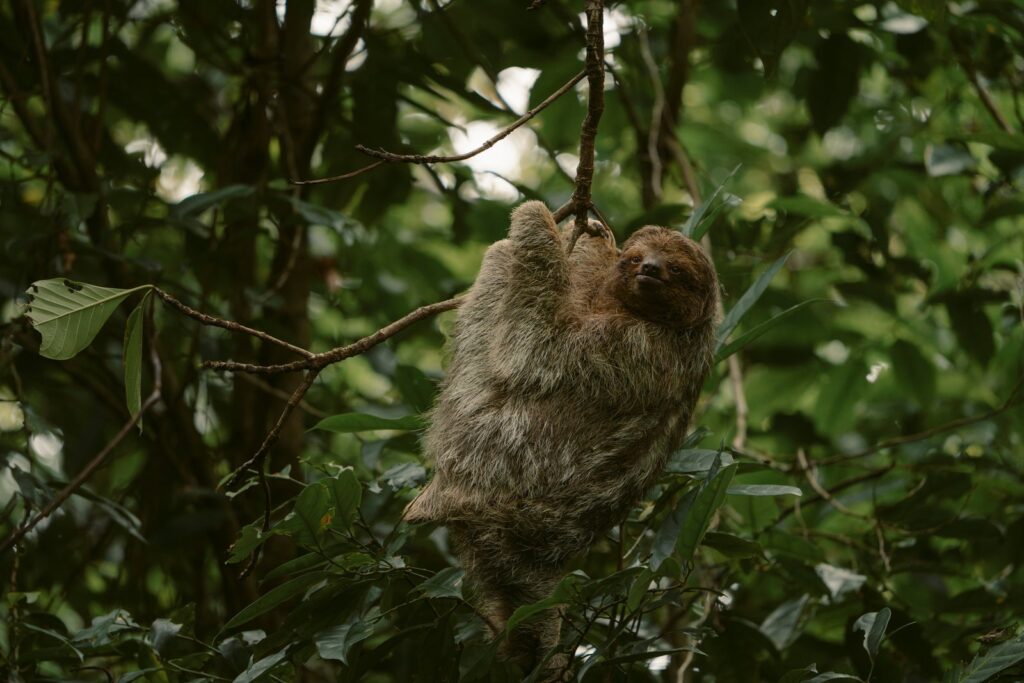
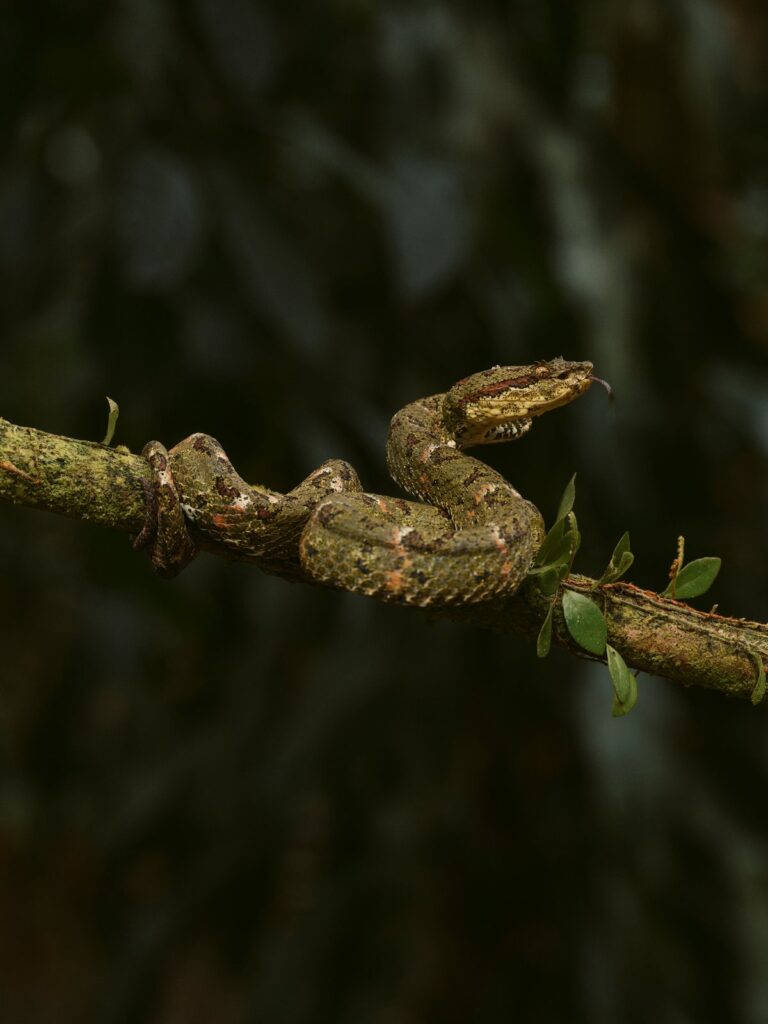
On our third day we explored the park on foot. The main trail runs parallel to the Caribbean coast, so you get ocean views along the way. We saw basilisks (the “Jesus Christ lizard”) several times, plus sloths and plenty of birds. Someone reported an eyelash viper while we were there, but we never found it.
Turtle season
Tortuguero is famous for nesting sea turtles. Green turtles nest July through October, peaking in August, and leatherbacks nest March through June, peaking in April. You need a registered guide on the beach during nesting season. We were a few weeks too early for the green turtles. If turtles are on your list, plan around those months.
How long to stay
If you’re not heavily into wildlife, two full days gives you a good feel for Tortuguero. If you want real time in the field, plan on 3 nights and 4 days or more. We did 4 nights, which gave us 3 full days.
Nights 6–7: Sarapiquí
Caribbean lowlands · Tortuguero → La Pavona by boat → Sarapiquí by car
Nights: 2 · Known for: birding · Best of trip: Pierella
Next we backtracked into the central part of the country to Sarapiquí, which is known in the wildlife world as a birding hub.
How we planned it
I originally planned to wing Sarapiquí and figure it out once we got there. As the trip got closer, I got anxious and wanted a plan in place.
I reached out to Andy Bezara, a wildlife photographer who runs Physis Photo Tours. I told him how long we’d be in Sarapiquí, and he planned and booked our time at Frog’s Heaven and Pierella, which is how I found both places. He even sent us a lunch stop with good birding for the drive from Tortuguero: Guarumo Lodge. He checked in with us a few times during our stay to make sure everything was running smoothly.
If you want a Costa Rica trip built around wildlife photography and don’t want to do the research yourself, reach out to Physis. Andy is one of the best in the business.
Where we stayed
We stayed two nights at Trogon’s Birding Lodge. Don’t confuse it with Trogon Lodge, which is in the cloud forest about four hours away. I made that mistake and booked the wrong one.
Trogon’s Birding Lodge is locally owned by a Costa Rican family, and they were very accommodating when we showed up looking for two nights at the last minute. The owner, Jose, is kind, helpful, and knows the area well.
Frog’s Heaven
Jose also co-owns Frog’s Heaven, a small nature preserve just outside town. You walk the grounds looking for tree frogs, and they also have snakes and educational displays about Costa Rica’s reptiles and amphibians. It’s worth an afternoon.
Pierella
Jardín Ecológico Pierella was the best part of the entire trip for me. We spent a morning there on a photography tour and saw a sloth, a lot of tree frog species, and a roosting group of Honduran white bats.
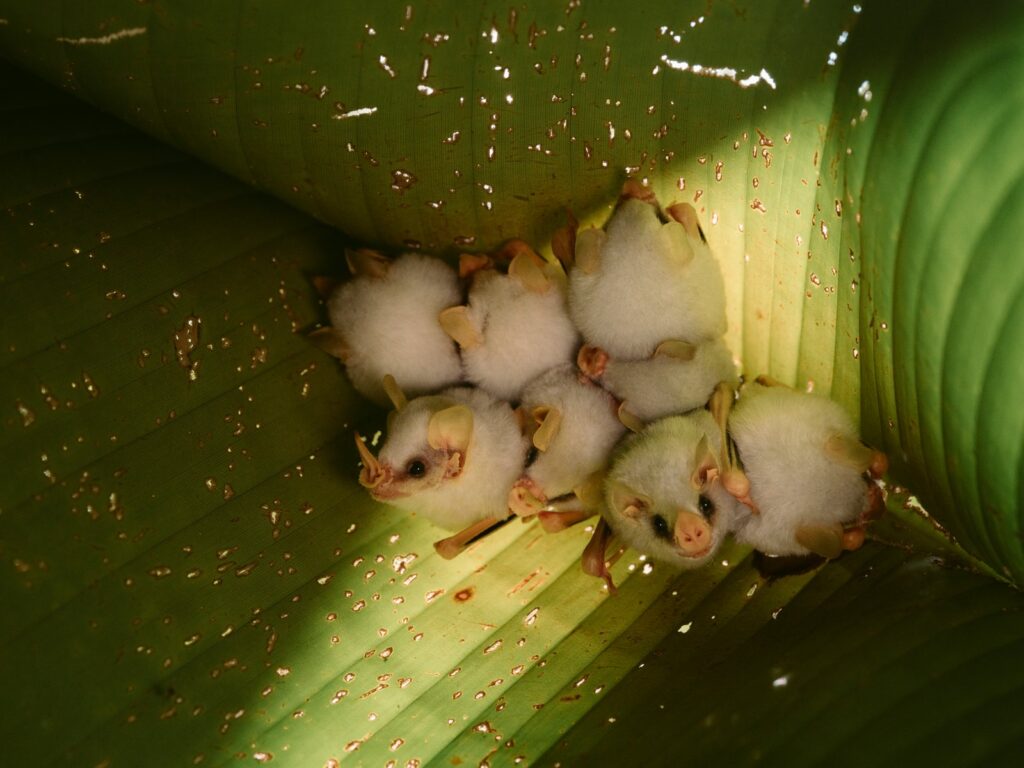
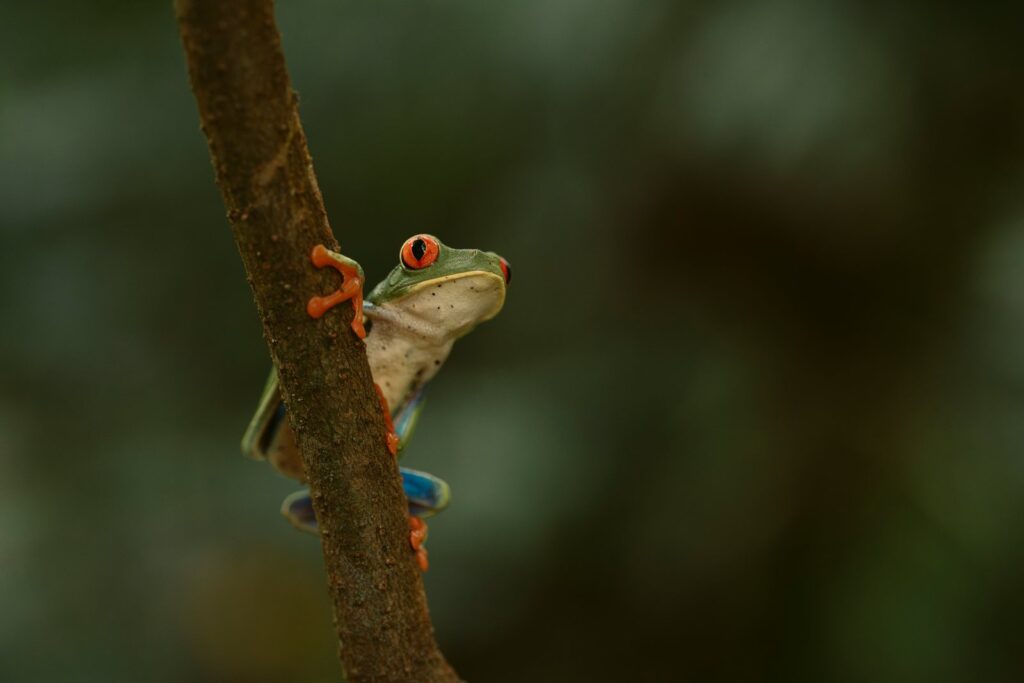
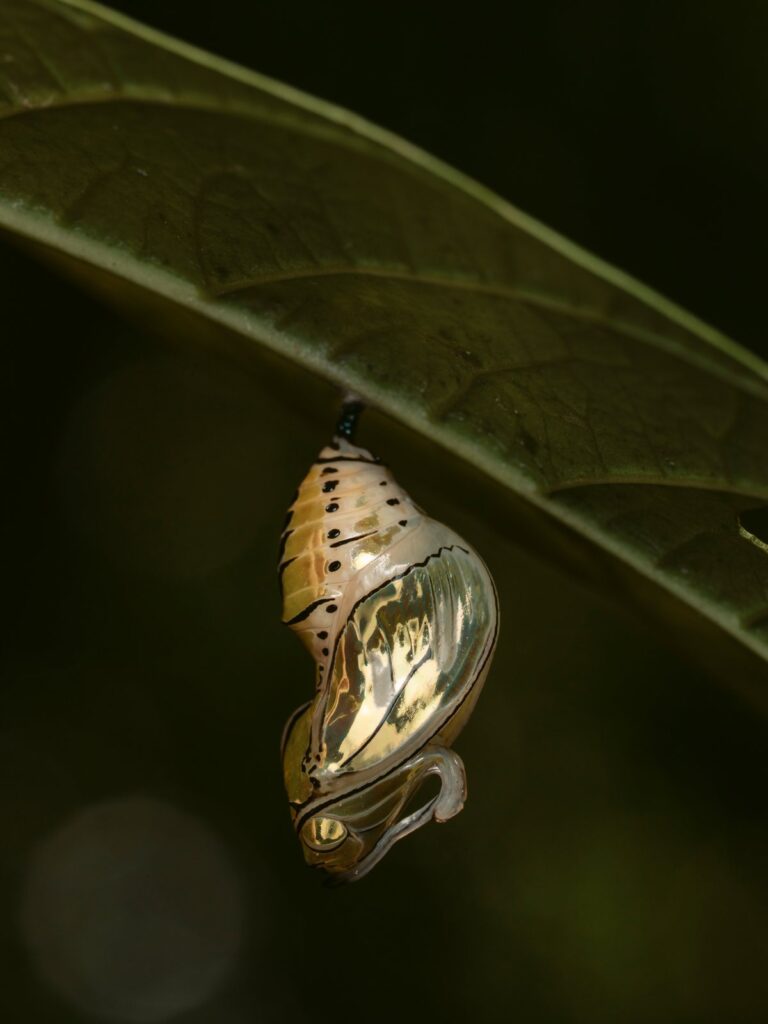
Pierella started as a butterfly farm and still raises butterflies. They ship butterflies of different species across Costa Rica and around the world to help support populations. They also run a tour on how chocolate is made in the region, and there’s a lodge on site. I didn’t stay there, but it looks lovely, and it’s family-run too.
A note on birding and baiting
This opens a can of worms, but you should know before you go. A lot of bird viewing in Costa Rica is baited. Guides set food on an attractive log or branch, the birds come in for a snack, and you take your photo. Decide for yourself whether that’s an experience you want. Just know it’s common across much of the country.
Another Sarapiquí spot I’ve heard good things about is Dave and Dave’s Costa Rica Nature Park. I didn’t go, but the reviews are strong.
Nights 8–9: La Fortuna
Arenal · Sarapiquí → La Fortuna by car
Nights: 2 · Volcano visible: ~15 min
From Sarapiquí we drove to La Fortuna, the first stop that felt touristy. It’s one of the most popular places in the country because of the hot springs and Arenal Volcano. If you want zip-lining, ATVs, or adventure parks, this is where to do them. I went for the volcano views.
Where we stayed
We stayed at Lost Iguana Resort & Spa and loved it. We booked the deluxe suite with the garden view, which looks straight out at the volcano.
We got about 15 minutes of volcano before the clouds rolled in, and we never saw it again during our stay. Heavy cloud cover is part of the gamble here, especially in rainy season. We still enjoyed the property: the hanging bridge, the trails, and some downtime before the next leg.
Hot springs
We didn’t make it to any hot springs, but there are plenty to choose from.
- Tabacón: a resort that sells day passes.
- The Springs Resort: also sells day passes.
- Free hot springs: there are a handful you can hike out to.
We only scratched the surface of La Fortuna, so look to other guides for a fuller picture. I’ll have more to share after my next trip.
Night 10: Tárcoles
Central Pacific · La Fortuna → Tárcoles by car
Nights: 1 · Why: break up the drive to Uvita
From La Fortuna we headed south down the Pacific coast. We spent one night near Tárcoles to break up the drive to Uvita.
We stayed at Santa Lucía Jungle Hacienda, part of Marriott’s Autograph Collection. It’s a beautiful property tucked into the hills along the Tárcoles River, at the base of Carara National Park.
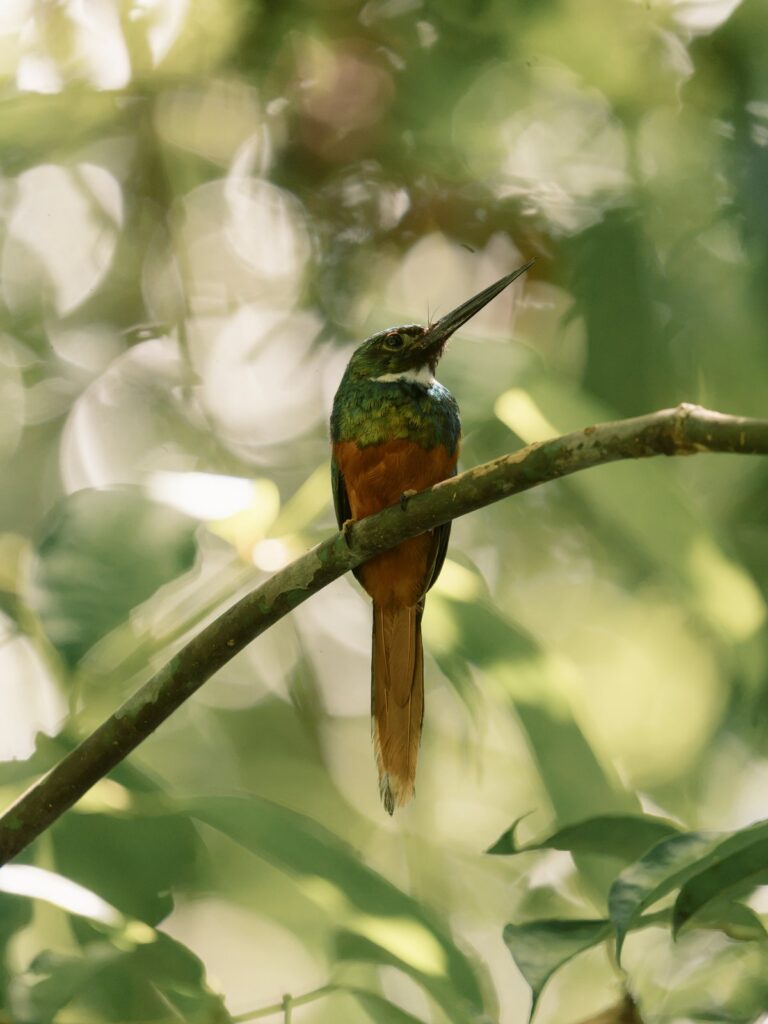
We saw a lot of wildlife in a short time. Coatis ran across the lawn in front of our room, lizards were everywhere, birds were constant, and we found a handful of tree frogs walking the grounds. The pool is gorgeous, and they offer activities like a guided hanging bridge hike. We didn’t have time for any of that in one night, but I’d happily go back.
Nights 11–12: Uvita and Manuel Antonio
South Pacific · Tárcoles → Uvita by car · day trip to Manuel Antonio
Nights: 2 · To Manuel Antonio: ~45 min · Park ticket: $16 + tax
In Uvita we met our main guide for the trip, Grevin. He runs Uvita Night Tours, which specializes in night tours for snakes, reptiles, and amphibians around Uvita. He’s also a naturalist guide licensed to take clients into Corcovado National Park, which was the main event of our trip.
Through Uvita Night Tours you can book:
- Night tours in the Uvita mountains
- Sloth tours in and around Marino Ballena National Park
- Photography tours
- Private Corcovado trips to Sirena Station, as a single day or an overnight stay
Beaches
We spent some of our time in Uvita on the beaches. A few worth your time:
- Marino Ballena National Park, home of the Whale’s Tail
- Playa Hermosa
- Playa Matapalo
Where to stay in Uvita
We spent our first two nights in Uvita at a cabin Airbnb, but that listing doesn’t have an active link right now, so I can’t point you to it. Here are a few other cabin-style options I found in my research. I haven’t stayed at any of them, so read reviews before you book.
- La Cusinga Ecolodge (mid-range): ten rustic cabins built from sustainably harvested wood, high on a jungle bluff with views of the Pacific and the Whale’s Tail. A private trail leads down to Playa Arcos.
- Selva Armonia Immersive Jungle Lodge (mid-range): an eco-friendly, vegan lodge about 25 minutes from Uvita town, with jungle views from the balconies.
- Bahia Selvatica Lodge (budget-friendly): cabins about 500 meters from Uvita Beach, with a pool. The easiest pick if you want to walk to the beach and town.
- Kura Design Villas (splurge): an adults-only hilltop property with six guest rooms, ocean views, an infinity pool, and a small spa.
We stayed at Oxygen Jungle Villas later in the trip, which I cover below.
Manuel Antonio National Park
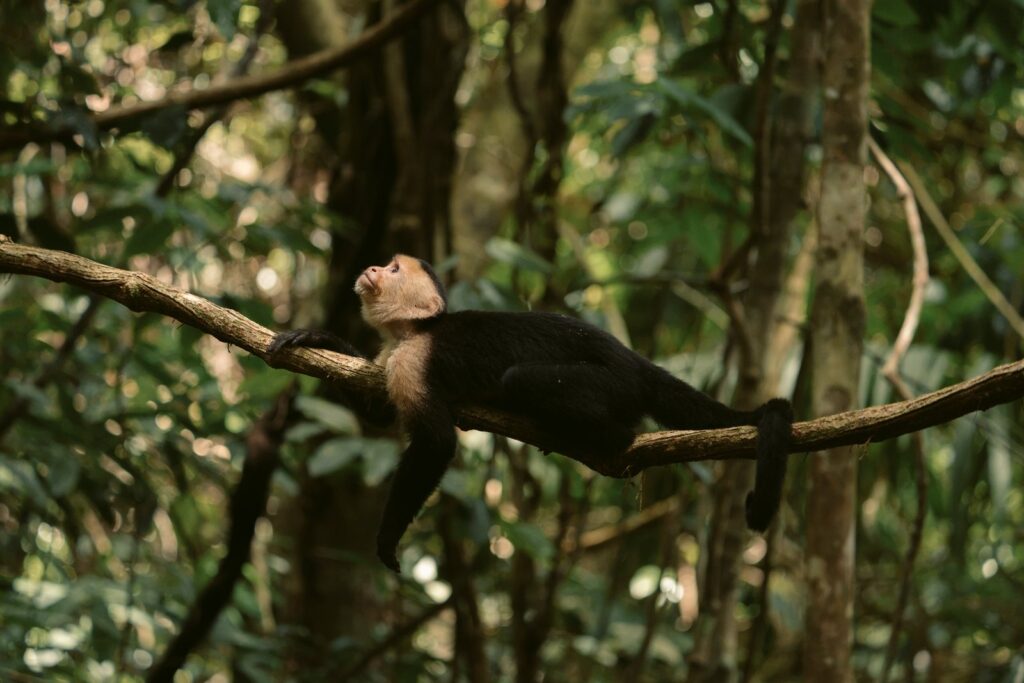
We spent a morning at Manuel Antonio, about 45 minutes from Uvita. It’s one of the most popular national parks in the country, and for good reason: a small, stunning peninsula packed with wildlife.
What to know before you go:
- Buy tickets ahead on SINAC, the official national park site. Tickets for foreign adults are $16 plus tax (about $18), sell out well in advance, and require you to pick an entry time slot. Skip look-alike sites.
- It’s closed on Tuesdays. Hours are 7 am to 4 pm the rest of the week.
- There’s no park parking. Paid lots line the main road in. The last 2 km to the entrance is chaos, with people flagging you down to park in their lot or hire them as a guide.
- A guide is optional. You don’t need one, but they bring spotting scopes and know where the sloths, monkeys, snakes, and birds tend to be. Decide whether you’d rather have that or explore at your own pace.
Plan on half a day, or a full day if you want to really work for the wildlife. It’s one of the most visited parks in the country, so expect crowds.
Nights 13–18: Corcovado and home
Osa Peninsula · Uvita → Sierpe by car → Sirena Station by boat
Sirena Station: 2 nights · Wilderness Lodge: 2 nights · Guide: required
Corcovado National Park is one of the most biodiverse places on the planet, and it was the reason we built the trip the way we did.
Sirena Station (nights 13–14)
From Uvita we drove to Sierpe, left the car, and took a boat to Sirena Ranger Station. Grevin booked the boat transfer and our two nights in the park so everything was done correctly. To set up the same trip, ask Uvita Night Tours about the Private Corcovado Sirena Overnight Experience.
The accommodations are basic. There are no lodges in this part of the park: you sleep in a shared room of bunk beds. It was quiet, and everyone was respectful of each other’s space. You’re out on the trails most of the day anyway, so nobody spends much time on their bunk. Food is provided.
You must be with a licensed guide in this part of the park, and there are rules about what times of day you can be out on the trails.
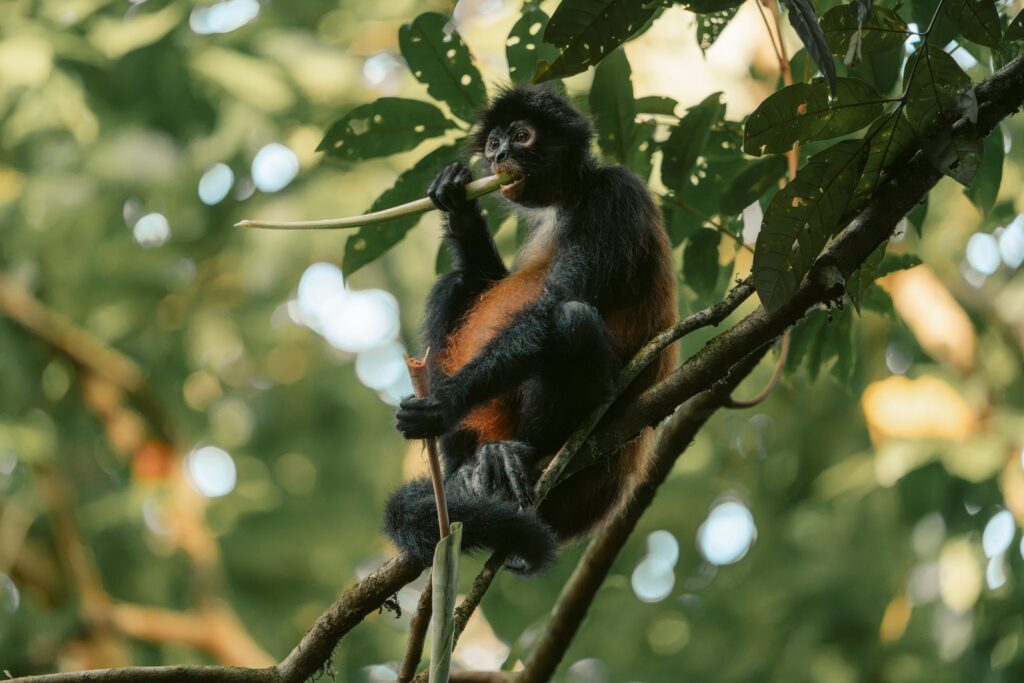
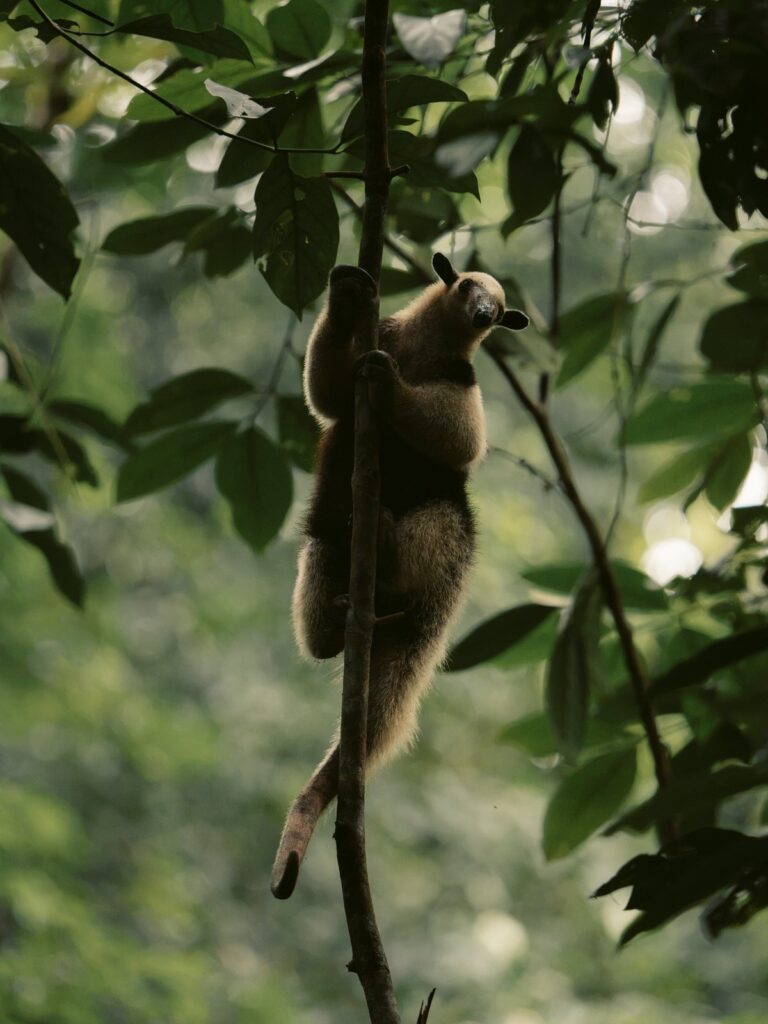
We spent our days on the trails looking for wildlife. Over those two days we found a tapir, coatis, a fer-de-lance, and plenty of bird species. We also found cat tracks from a jaguar or puma, both of which live in the area, but we never saw a cat. The park also has stands of old-growth forest that escaped logging, with trees hundreds of years old.
Corcovado Wilderness Lodge (nights 15–16)
After Sirena we transferred to Corcovado Wilderness Lodge, just outside the park boundary. It’s a complete 180 from the ranger station: a gorgeous lodge with sweeping ocean views and very nice rooms, with a price tag to match.
There’s plenty to do on and around the property: guided hikes, the Arboreal Tree Climbing Experience, and boat tours during whale season. What I appreciated most is that the lodge works with several NGOs on wildlife research in the area, including jaguar and marine studies. Your stay helps support conservation work.
We were hoping for a puma and didn’t get one, which is fine. Still, we loved hiking the property and the trails into the park.
Oxygen Jungle Villas (night 17)
From the lodge we took a boat back to Sierpe, picked up the car, and drove to Uvita for one night at Oxygen Jungle Villas, the sister property to Corcovado Wilderness Lodge. The villas sit in the jungle up in the hills above Uvita. Each one is private, with views from most of the room.
We spent part of that day on a sloth tour with Grevin.
Heading home (night 18)
The next day we drove back to San José and spent our last night at Studio Boutique Hotel, then dropped off the car and flew home.
What I’d tell you before you plan a Costa Rica itinerary
- Pad your drive times. Road closures and delays happen without warning. A 2-hour drive on your map can easily turn into 3 or 4.
- Use Waze instead of Google Maps. Google Maps works in most areas, but Waze has better local information, including warnings for speed bumps. Towns are full of them, many unmarked, and hitting one too fast can damage your car.
- Don’t overschedule. Some of our best days had nothing planned. Leave room to take a hike or say yes to something on a whim.
- Eat at the sodas. We mostly ate at sodas, the small local restaurants along the road and in town, and had some of the best food of the trip there. Be open to eating wherever the good food is.
- Book the big things early. Manuel Antonio tickets and any scheduled tours or guides need to be booked ahead, especially in the busy season, December through April.
Coming in November
I’m headed back to Costa Rica in November for a similar trip with more time around La Fortuna, plus stops in the Monteverde cloud forest and the Nicoya Peninsula. Nicoya is the most visited region in the country, and plenty of guides already cover it. I’ll share my own recommendations and photos from all three after that trip.
Contacts in one place
- La Pavona boat and parking: Transportes T7 Tortuguero. WhatsApp +506 7047 0988 or +506 8831 6401.
- Tortuguero tours: Costa Rica Roots Tours. WhatsApp +506 8408 9262 or +506 8449 2548, email info@costaricarootstours.com.
- Wildlife photography trip planning: Physis Photo Tours, Andy Bezara.
- Uvita tours and Corcovado guiding: Uvita Night Tours, email uvitanighttours@gmail.com, Instagram @uvita_night_tours.
- Tortuguero stay: Casa Jaguar on Airbnb.
- Corcovado stay: Corcovado Wilderness Lodge.
- Uvita stay: Oxygen Jungle Villas.
More trip breakdowns from Postmarked Wild: six trips to Baja and the Sea of Cortez, why I keep going back to Namibia, and my first time in the Mara.
Leave a Reply


