


What to pack for a Baja mobula trip: gear, meds, and the boat reality
May 19, 2026
POSTMARKED WILD : FIELD DISPATCH
filed under:
POSTMARKED WILD : FIELD DISPATCH
< journal home
Heads up: some links are affiliate links.
I get ridiculously seasick. I’ve also been on six Baja trips and have made nearly every gear mistake the Sea of Cortez can throw at you. This is what I’ve learned to pack, what I’ve learned to skip, and what I wish I’d known before my first expedition.
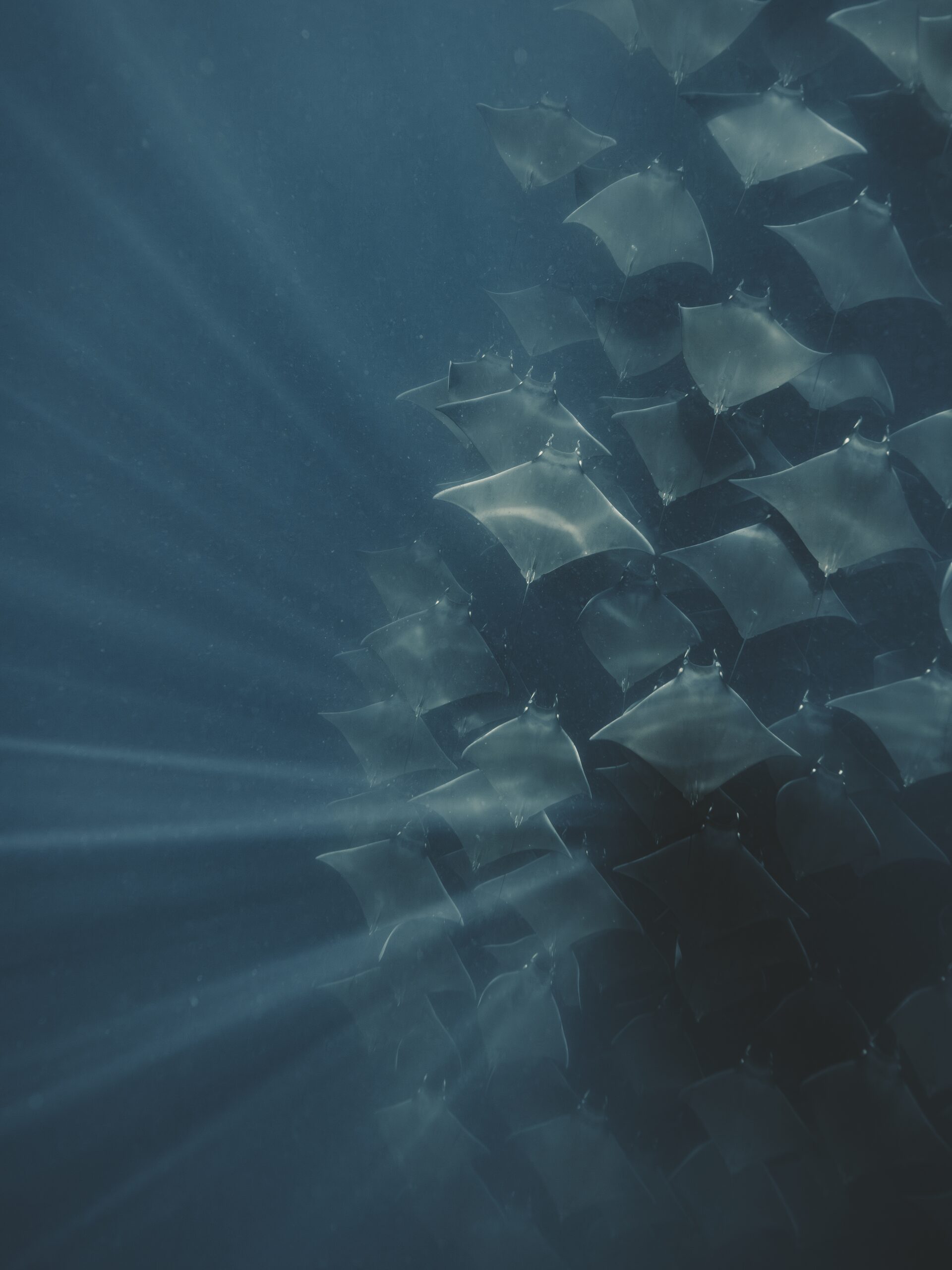
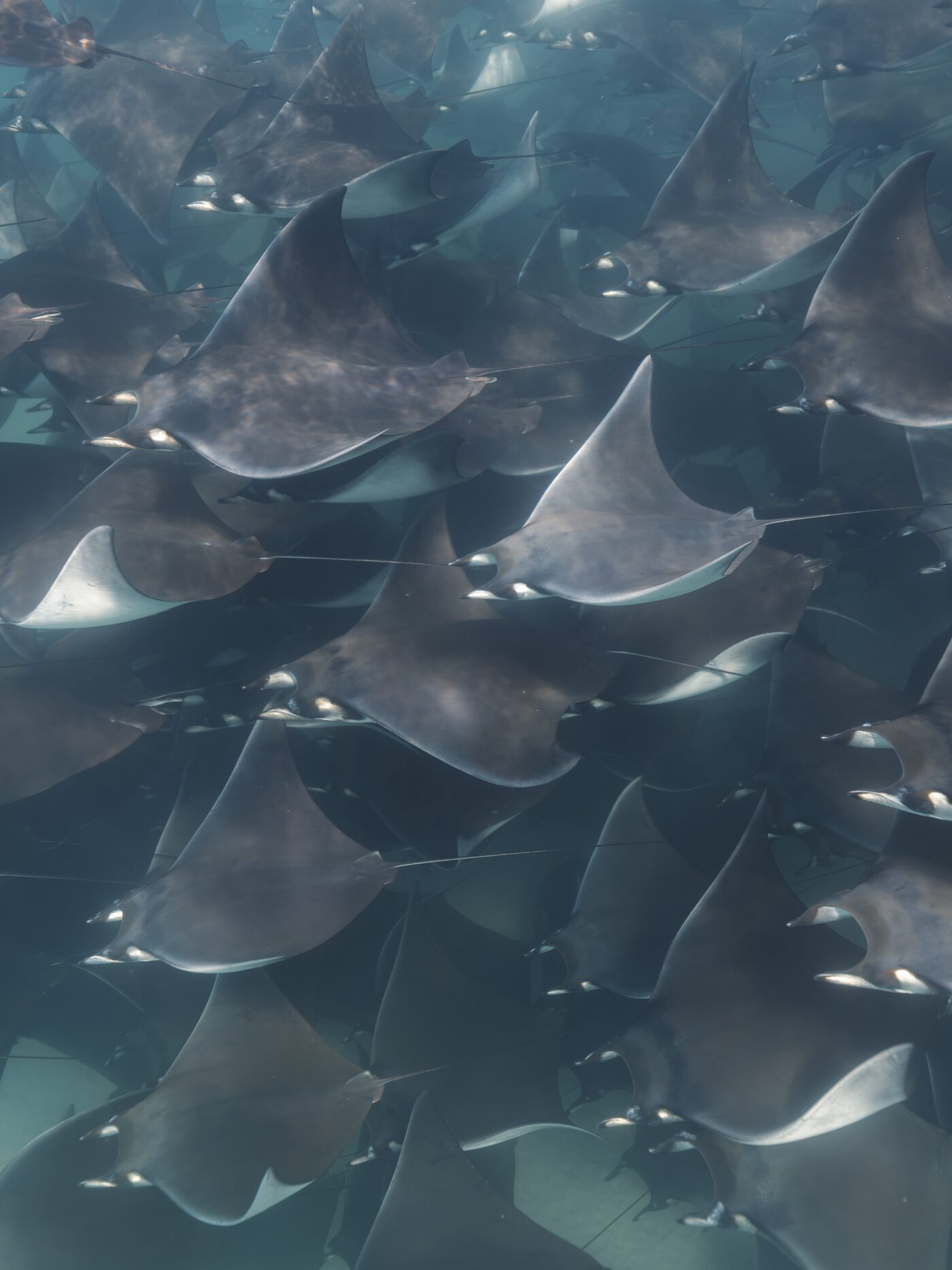
The mobula format is open water on a small panga — fast, exposed, minimal shade, no bathroom, hours of waiting between encounters. Gear isn’t just about comfort. It’s the difference between being ready when the moment comes and being too cooked by the sun to move.
Surviving the boat (read this first)
Seasickness is the part most people underestimate. Talk to your doctor about what’s right for you, but here’s what I’ve landed on after six trips:
- Scopolamine patches are the most effective thing I’ve used. The catch: you have to apply the patch four to six hours before you board, and side effects (blurry vision, lethargy after a few days) are real. Read the application instructions before you fly.
- Meclizine or Dramamine are my backups. One the night before, one the morning of. Grogginess is the trade — and when the panga sits idle for hours scanning, grogginess turns into “I’m asleep on a boat.”
- Ondansetron (Zofran) lives in my dry bag for breakthrough nausea. Worth asking your physician about ahead of time.
- Ginger chews and pressure-point wristbands never worked for me, but plenty of people swear by them. A multi-modal approach is fine. If you get seasick like I do, take more than one tool.
Stash for the dry bag: a water bottle, an extra dose of meclizine or dramamine, ginger chews, a few zofran, a bottle of water. Small enough not to get in the way mid-encounter, quick to grab when you need it.
In-water gear
The Cerralvo Channel runs cooler than people expect, and once you’ve been getting in and out for hours, even a warm afternoon can get pretty cold. Wetsuit coverage also helps with sun protection and the occasional jelly encounter — there are def pockets of water teeming with jellies, good to be covered. Open-back surf suits will burn the backs of your legs and your spine before you’ve noticed.
Topside gear (the part that makes or breaks the day)
Sun protection on the boat is the difference between feeling great on day three and being unable to function. There’s no shade. There’s no break. Cover up.
The stuff people forget
What’s next
The list above is what gets you into the water comfortable. The next post is what to actually do once you’re in — a beginner’s guide to underwater photography for fast-moving animals in open water, including settings, housing decisions, and the difference between shots worth keeping and shots that get deleted on the boat ride home (coming soon!).
If a trip like this sounds like your thing, the Baja field note on The Survey Party has more on what to expect, plus the operators I’ve used and would recommend. 🙂
— · —
Sent from somewhere wild.
Heads up: some links in this post are affiliate links. I make a small cut if you buy — no extra cost to you, and I never link anything I wouldn’t use in the field.
Leave a Reply


